Introduction to Texture Trends
Texture in design and décor serves as a fundamental aspect that contributes to the visual interest and depth of any space. It encompasses the feel and appearance of surfaces, influencing how we perceive environments and interact with them. In recent years, the significance of texture has grown, as designers and homeowners alike acknowledge its role in enhancing aesthetic appeal and creating unique atmospheres. By skillfully combining various textures, designers can evoke emotions and establish a sense of harmony or contrast within a setting.
As trends in texture evolve, they reflect broader cultural shifts and design preferences. For instance, the mid-century era favored smooth, sleek surfaces, while more contemporary styles often embrace a mix of textures, including rough, organic materials alongside polished finishes. Such fluctuations highlight the dynamic nature of design trends, driven by changes in consumer preferences, technological advancements, and even sustainability considerations. Designers must stay attuned to these evolving trends to remain relevant and cater to client desires.
Currently, various textures are gaining popularity, including those derived from natural elements such as wood, stone, and textiles that promote a sense of warmth and comfort. Conversely, some textures that once dominated the landscape are experiencing a decline in favor, as consumers seek freshness in their spaces. The ongoing dialogue between past and present textures reveals not only the cyclical nature of trends but also the importance of innovation in design. This blog post aims to delve deeper into specific textures that are currently in vogue, as well as those that are slowly falling out of favor, blending insights on both aesthetic quality and functionality in contemporary interior design.
Current Texture Trends: What’s In
In contemporary design landscapes, texture plays a pivotal role in creating atmosphere and conveying messages across various industries, including interior design, fashion, and graphic design. Currently, there are several textures that have emerged as significant trends, shaping how we perceive and interact with our environments.
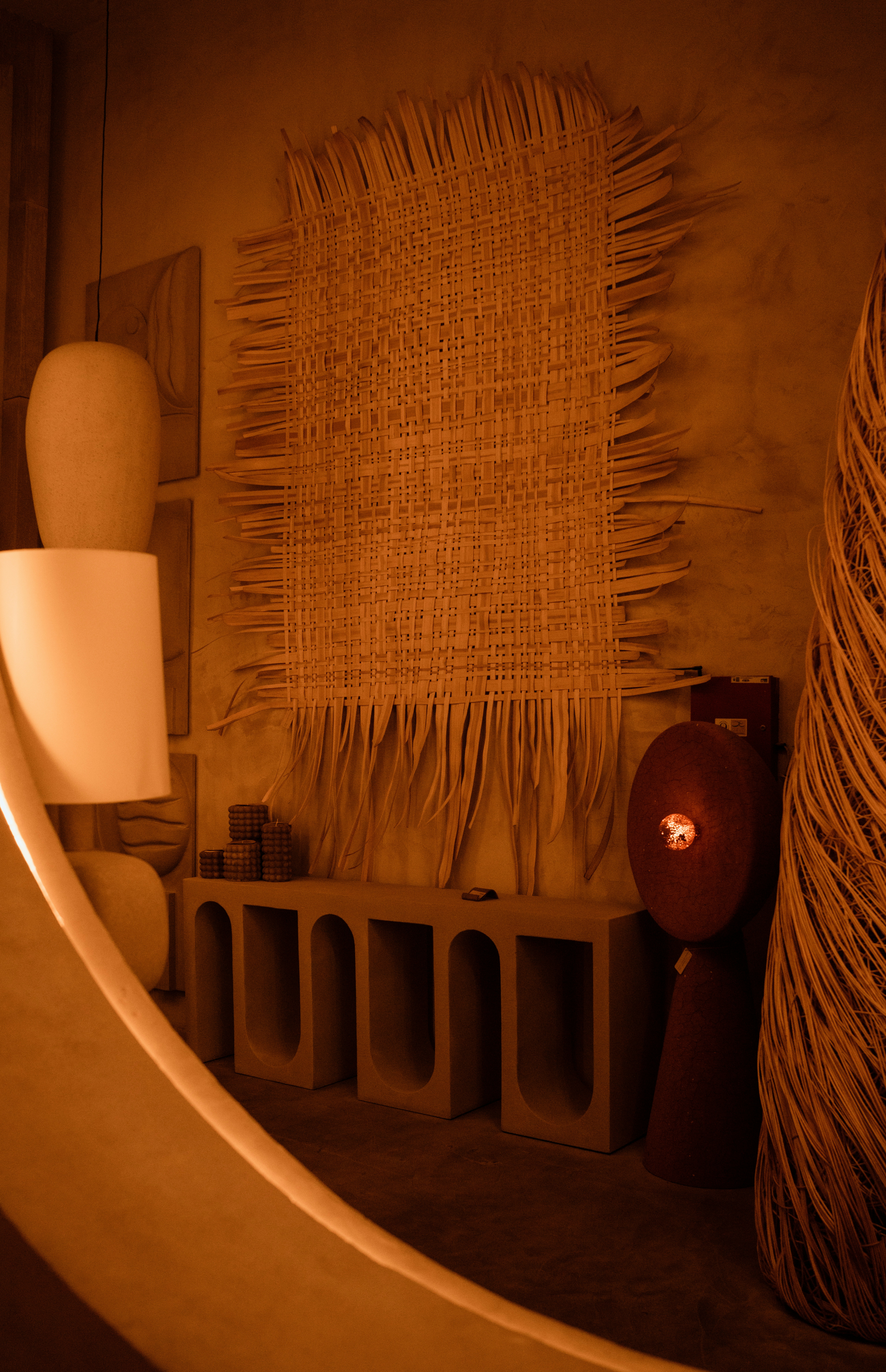
In interior design, natural materials such as rattan, cork, and reclaimed wood are gaining traction, creating warmth and sustainability in living spaces. The rise in eco-friendly practices has prompted designers to favor these textures, which not only add character but also resonate with consumers seeking environmentally responsible choices. Soft, tactile fabrics, like bouclé and velvet, also continue to trend, bringing a sense of comfort and sophistication to both residential and commercial spaces.
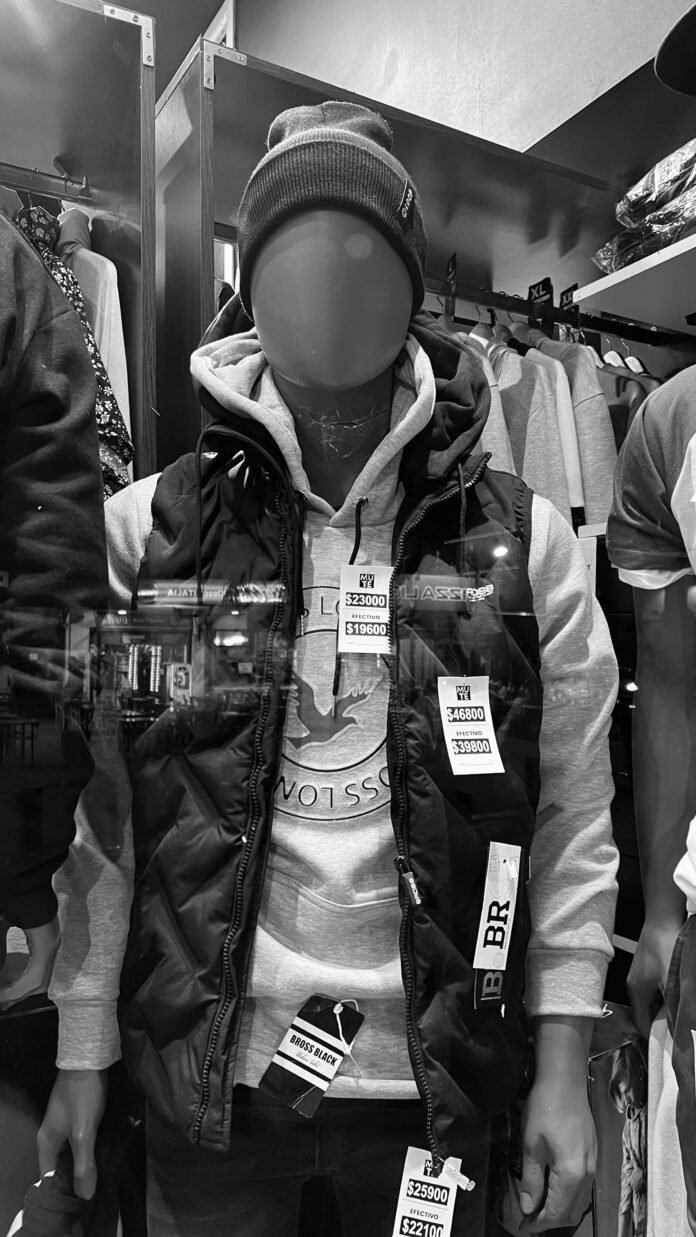
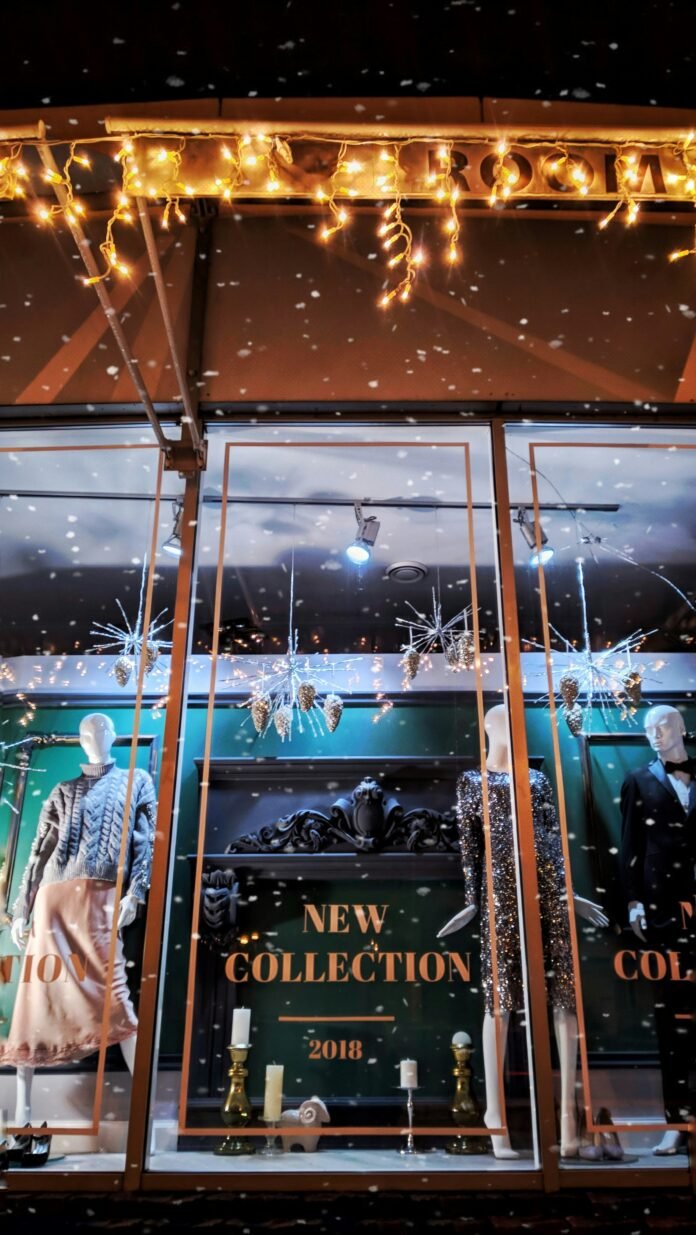
Fashion too is witnessing a surge in textures that emphasize tactile experiences. Materials with rich textures such as quilted fabrics, oversized knits, and metallic finishes dominate the runways. These elements are often combined to produce a visual depth that captivates the eye. The use of unexpected materials, such as mesh and sheer fabrics layered with heavier textiles, is also gaining popularity, allowing for creative silhouettes and unique contrasts that redefine contemporary elegance.
Graphic design trends are increasingly leaning towards textures that evoke nostalgia and organic complexity. Designers are incorporating grainy textures, watercolor effects, and hand-drawn elements in their works. This approach not only adds a personal touch but also makes digital designs feel more authentic and relatable. The incorporation of textured backgrounds and overlays is becoming common, enhancing visual storytelling and engagement.
In conclusion, the current texture trends across various industries indicate a shift toward embracing natural materials and tactile experiences. These trends provide opportunities for designers to push creative boundaries and offer consumers innovative, aesthetically pleasing solutions that resonate on a deeper emotional level.
Outdated Textures: What’s Out
In the ever-evolving landscape of design, certain textures and finishes that once held prominence are now considered outdated. Contemporary design aesthetics are moving towards streamlined, minimalist approaches, which has led to a decline in the popularity of several traditional materials. One prominent example is the ubiquitous heavy use of faux finishes often associated with the Tuscan style. These elaborate textures, characterized by imitations of stone and plaster, have become less appealing in favor of more subtle and natural alternatives.
In addition to faux finishes, overly ornate wall treatments such as heavily patterned wallpaper and elaborate wainscoting have seen a decrease in favor. These bold and intricate designs can overwhelm a space, contradicting the current trend towards simplicity and openness in interior design. As homeowners and designers prioritize a more effortless aesthetic, textures like these are being replaced with softer, more neutral options that evoke tranquil and serene environments.
Another texture that is falling out of favor is shag carpet. While it was once a staple of comfort and luxury, it is now often viewed as dated and difficult to maintain. In its place, a preference for hard flooring surfaces such as hardwood or polished concrete has emerged, highlighting the clean lines and minimalist approach favored in modern spaces. Additionally, natural fiber rugs, which offer warmth without the commitment of thicker shag counterparts, are gaining traction among discerning homeowners.
Similarly, metallic finishes, while still in use, are pivoting away from ostentatious golds and silvers toward understated hues like brushed brass or matte black. This shift reflects a desire for sophistication without appearing overly dramatic. As trends continue to evolve, it is essential to stay informed about what may be phasing out to help ensure that design choices remain both fresh and appealing.
Textures in Interior Design
In the realm of interior design, texture plays a pivotal role in shaping the overall ambiance of a space. It serves to create depth, interest, and contrast, elevating the aesthetic appeal of both residential and commercial environments. Different textures can significantly impact the mood, whether it’s the warmth of natural materials or the sleekness of polished finishes. By thoughtfully incorporating various textures, designers can curate experiences that resonate with the inhabitants, influencing emotions and interactions within the room.
Popular textures in home decor range from soft and tactile fabrics to rugged and durable materials. Soft textiles, such as plush velvet, cozy wool, and delicate linen, can bring warmth and comfort. These materials are commonly used in upholstery, drapery, and decorative pillows. In contrast, harder textures like wood, stone, and metal contribute to a sense of sturdiness and sophistication, often utilized in furniture and surface finishes. The combination of these elements can evoke different feelings; for instance, a space dominated by soft textiles may appear inviting and relaxed, while one featuring sleek metals and cool stones may exude modernity and minimalism.
Emerging trends have seen a blend of various textures, pushing the boundaries of traditional design. Textured wall finishes, like plaster, are becoming increasingly popular, offering a tactile experience that enhances visual interest. Additionally, the rise of biophilic design emphasizes natural textures such as reclaimed wood and organic textiles, allowing for a connection to nature within indoor spaces. As designers continue to experiment, innovative approaches such as layering textures and incorporating unexpected materials are gaining traction. This fusion highlights the importance of texture, ensuring that it remains a vital aspect of contemporary interior design.
Textures in Fashion and Accessories
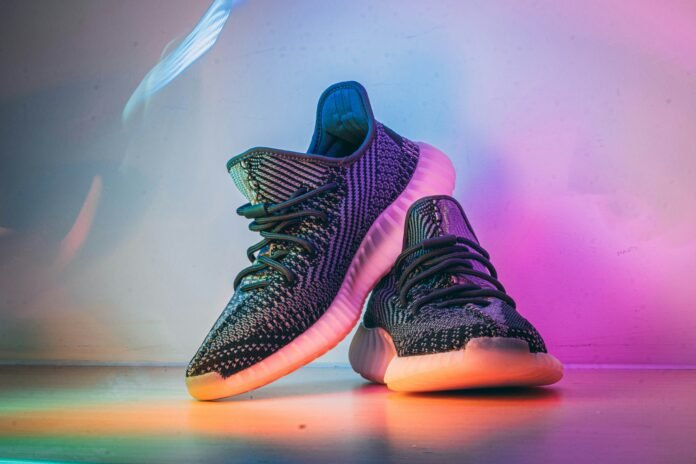
Textures play a crucial role in the fashion industry, serving not only as a visual element but also as a tactile experience that engages consumers on multiple levels. Designers are increasingly experimenting with a diverse array of materials, leading to the emergence of innovative textures that redefine traditional clothing and accessory aesthetics. From velvet and corduroy to metallic fabrics and sheer overlays, the tactile qualities of these materials can significantly enhance a garment’s appeal.
In recent seasons, we have witnessed a shift in consumer preferences toward unique textures that convey comfort and sophistication. Textures such as ribbed knits and quilted fabrics have surged in popularity, often blended with vibrant colors or subtle hues that further amplify their visual interest. This interplay between texture and color is essential for creating pieces that not only look attractive but also resonate with the buyer’s emotional and sensory perceptions.
Moreover, the incorporation of textures into accessory design has also evolved. Handbags, shoes, and jewelry now feature a multitude of textures that can transform simple outfits into visually dynamic ensembles. For example, the juxtaposition of smooth leather with a knitted scarf or a beaded clutch introduces a tactile dialogue that captures attention. The strategic use of textures allows designers to evoke certain feelings and attitudes associated with their collections, often influencing consumer preferences and purchasing choices.
As consumers become more sophisticated, they are seeking out fashion items that stand out through their textural diversity. The significance of textures within the industry cannot be overstated, as they play an integral role in defining trends, establishing brand identities, and ultimately impacting buying decisions. The future of fashion will undoubtedly continue to explore the vast possibilities of textures, blending creativity with the needs and desires of a discerning clientele.
Texture Trends in Digital Design
In the realm of digital design, the application of texture has evolved considerably, playing a crucial role in enhancing web aesthetics and user interactions. As designers strive to create more engaging and intuitive interfaces, the significance of texture cannot be understated. Textures add depth and dimensions to digital platforms, whether in web design, app interfaces, or branding elements.
One of the most prevalent trends in digital textures is the use of soft, organic textures that evoke a sense of warmth and familiarity. This trend aligns with a broader movement towards minimalism, where simplicity is key, yet textural elements serve to enrich the user experience. Materials like fabric, paper, and natural surfaces are often manipulated in digital formats to create visually appealing designs that draw users in. This approach not only captivates the audience but also establishes a connection by replicating real-world materials within the digital environment.
Another significant trend centers around the use of 3D texturing techniques. By integrating these sophisticated elements into web design and app interfaces, designers can create immersive experiences that engage users more deeply. The addition of shadows, gradients, and layered textures gives digital products a lifelike quality, further blurring the lines between reality and the virtual world. Furthermore, responsive design practices have led to a heightened need for adaptable textures that maintain their integrity across various devices and screen sizes, ensuring a cohesive experience for users.
As digital branding becomes increasingly competitive, unique textures serve as crucial identifiers for brands. They provide visual markers that enhance brand recognition and retention, making texture an essential aspect of brand strategy. By leveraging the power of texture, designers can craft compelling narratives that resonate with audiences, ultimately driving user engagement and satisfaction.
Cultural Influences on Texture Trends
Cultural influences play a significant role in shaping texture trends in design, art, and fashion across the globe. Throughout history, different regions have developed unique textures that reflect their local customs, materials, and historical contexts. For instance, traditional crafts often use natural elements like wood, clay, and textiles, which lend a distinct tactile quality to the finished products. These traditional textures are making a resurgence as contemporary designers increasingly recognize the value of authenticity and heritage. The revival of artisanal techniques not only honors the craftsmanship of previous generations but also invites a more global appreciation of diverse cultural textures.
The advent of globalization has further impacted texture choices by facilitating the exchange of ideas, materials, and techniques among various cultures. As a result, textures that were once localized are now accessible to a wider audience. This intermingling of cultural aesthetics can lead to innovative designs that fuse different textures, creating a rich tapestry of influences. For example, the combination of traditional Eastern fabrics with Western minimalist design principles can result in striking modern interpretations that resonate with consumers seeking uniqueness and depth in texture.
Moreover, global connectivity enables cultural dialogue, allowing for a cross-pollination of styles that introduces new textures into various markets. Designers may draw inspiration from indigenous textiles, embracing rich patterns and elaborate weaves, which were once confined to specific geographic areas. This blending of textures not only reflects contemporary society’s melting pot of identities but also fosters inclusivity in design, highlighting the need for an interdisciplinary approach in texture exploration.
With cultural narratives influencing texture trends, designers must remain aware of the significance behind the materials they choose. In understanding this intricate relationship between culture and texture, creators can contribute to a design landscape that values both innovation and tradition.
Sustainable Texture Trends
The increasing emphasis on sustainable practices across various sectors has significantly influenced the design landscape, particularly in the realm of textures. As consumers become more environmentally conscious, there is a notable shift towards the use of sustainable materials and textures in design industries. From textiles to architectural materials, the demand for eco-friendly alternatives is shaping contemporary design choices, reflecting a dedication to the planet.
One of the prominent sustainable texture trends is the use of organic fabrics, which are produced without the use of harmful pesticides and fertilizers. This shift not only promotes better health for the environment but also enhances the durability of the materials. Fabrics made from hemp, organic cotton, and bamboo are gaining popularity due to their minimal environmental footprint and their aesthetic appeal. These materials provide a unique texture that can be incorporated into various design projects, promoting an eco-friendly image while maintaining style.
Additionally, recycled materials are becoming a key component in the texture trend landscape. Designers are increasingly utilizing recycled plastics and upcycled textiles to create innovative textures that are as functional as they are sustainable. This approach reduces waste while simultaneously offering a range of visual interests that resonate with eco-conscious consumers. Furthermore, natural fibers like jute and sisal are being favored for their biodegradable properties and rustic textures, enhancing both the aesthetic and environmental integrity of interiors.
The significance of making environmentally conscious choices in texture selection cannot be understated. Each decision carries implications for resource conservation and the overall health of the planet. By embracing sustainable texture trends, designers not only cater to a growing market demand but also contribute positively towards a more sustainable future. Making informed choices about material sourcing lays the groundwork for a design ethos that is both innovative and responsible, ensuring that the industry moves forward without compromising environmental integrity.
Practical Tips for Incorporating Texture
Incorporating texture into your designs can greatly enhance the aesthetic appeal and depth of any project, be it in fashion, interiors, or digital media. One effective strategy is layering textures. By combining various materials, such as soft fabrics with rough surfaces or glossy finishes with matte components, you can create a dynamic visual experience that draws attention and adds complexity. For example, in an interior space, consider using a plush velvet sofa paired with a woven jute rug. This juxtaposition of textures not only elevates the design but also adds warmth and comfort to the environment.
Another approach to incorporating current texture trends is through the art of mixing and matching. This technique encourages creativity by allowing you to experiment with complementary and contrasting textures. In fashion, this could mean pairing a chunky knit sweater with silky trousers or incorporating a rugged denim jacket over a feminine lace dress. The key to successful mixing is balance; ensure that textures enhance rather than overwhelm the overall look. Opting for a cohesive color palette can also unite disparate materials, providing a harmonious design that feels intentional.
Selecting the right materials is crucial for achieving the desired texture effect. Pay attention to the inherent qualities of the materials you choose. For instance, natural fibers typically bring a more organic feel, while synthetic fabrics can introduce a sleek, modern look. In digital media, texture can be added through graphic design elements, such as overlays and patterns, to create depth and intrigue in user interfaces. By being mindful of material selection, you can ensure that each element you incorporate not only aligns with current trends but also complements the overall design vision.