Introduction to Professional Fashion
The concept of professional fashion goes beyond mere clothing choices; it embodies the intersection of personal expression and workplace expectations. In today’s competitive environment, how one dresses can significantly influence perceptions of competence, authority, and professionalism. The importance of appearance in the workplace cannot be overstated, as attire often serves as an unspoken communication tool that conveys one’s seriousness, commitment, and respect for the job at hand.
Fashion in the professional sphere plays a crucial role in shaping first impressions. It can project confidence and establish credibility among colleagues, superiors, and clients. Consequently, understanding the dynamics between professional attire and personal style becomes essential for individuals seeking to make a lasting impact. The delicate balance between adhering to traditional notions of professional attire and injecting personal flair can be challenging yet rewarding.
Various workplaces have distinct dress codes, ranging from business formal to business casual. However, with the rise of creative industries and the acceptance of casual wear, professionals are increasingly encouraged to incorporate their unique styles into their everyday wardrobes. This shift has opened discussions on what constitutes appropriate professional fashion, leading to a broader interpretation of acceptable attire.
Professionals can navigate these complexities by carefully selecting clothing that aligns with their organization’s culture while reflecting their individuality. By opting for tailored pieces combined with modern accessories or subtle colors, individuals can strike a harmonious balance that demonstrates both professionalism and personal style. Ultimately, this careful selection of attire influences self-esteem, fosters a sense of belonging, and contributes to a professional identity that resonates well within any workplace.
Understanding Your Workplace Culture
To present yourself as both professional and fashionable, it is essential to first comprehend the inherent culture of your workplace. The significance of understanding workplace culture cannot be overstated, as it profoundly influences the dress code and expectations associated with professional attire. Different industries exhibit varied approaches towards acceptable clothing choices, often governed by tradition, functionality, and the nature of the job. For instance, the fashion and creative sectors may embrace bold, expressive styles, while corporate environments such as finance or law typically adhere to a more conventional dress code.
To gauge the dress expectations, begin by observing what your colleagues wear on a daily basis. Take note of any patterns, including the frequency of casual versus formal attire, and consider how employees typically present themselves during meetings or client interactions. Additionally, it can be helpful to attend any corporate events, such as business lunches or conferences, where the level of formality may be more pronounced. These experiences will provide invaluable insights into the acceptable styles and help you determine the appropriate balance between professionalism and personal expression.
Furthermore, consult your employer’s handbook or guidelines regarding dress code. These documents often articulate expectations directly and can serve as a strong foundation for your wardrobe choices. While some workplaces may encourage individuality, others may prioritize adherence to a specific style. A key component of understanding workplace culture involves recognizing the unspoken norms and values that govern attire. Being able to blend your unique fashion sense with the expectations of your environment will ultimately facilitate your ability to strike the perfect balance between looking professional and fashionable.
Key Wardrobe Essentials for a Professional Look
A professional wardrobe is essential for making a positive impression in any workplace. It comprises a selection of versatile pieces that can be mixed and matched to create fashionable yet appropriate outfits. Understanding the key wardrobe essentials can help individuals navigate the delicate balance between professionalism and personal style.
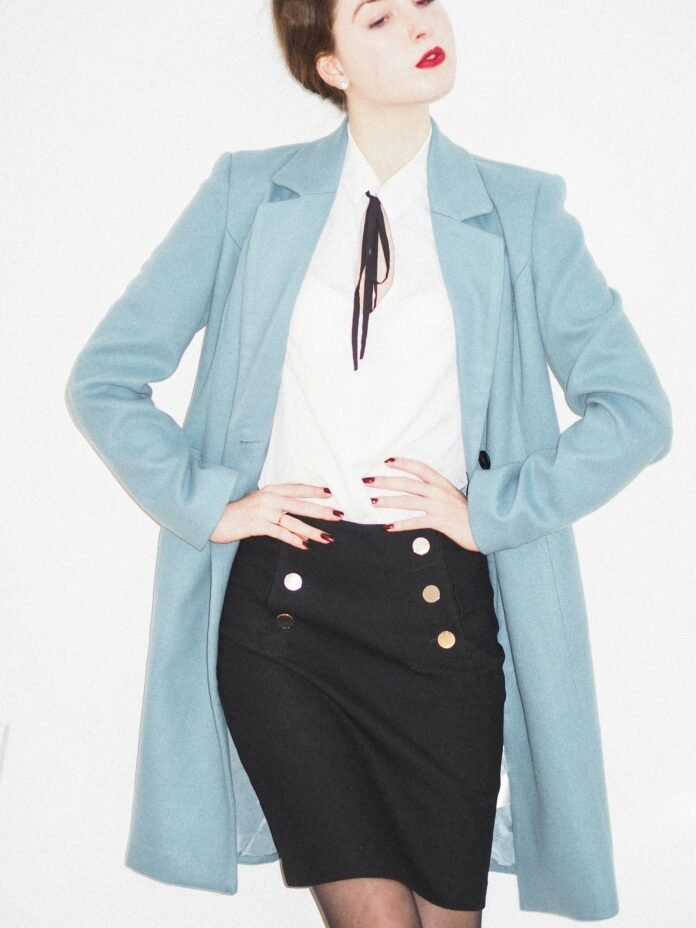
One of the cornerstone pieces for any professional wardrobe is the blazer. This garment not only provides structure but also adds an element of sophistication to an outfit. A well-fitted blazer can effortlessly elevate a simple shirt and trousers, making it suitable for meetings or networking events. Choosing neutral colors such as black, navy, or grey allows for numerous styling options that complement various outfits.
Tailored trousers are another must-have item, offering a polished alternative to casual pants. They should fit well around the waist and hips while tapering elegantly towards the ankles. These trousers can be paired with blouses or knits for a chic look during the day and can transition seamlessly into evening wear with the addition of a statement piece. Likewise, a classic pencil skirt is a versatile option for women seeking a feminine touch in their professional attire. Its streamlined shape can pair well with a fitted top and a blazer for a complete look.
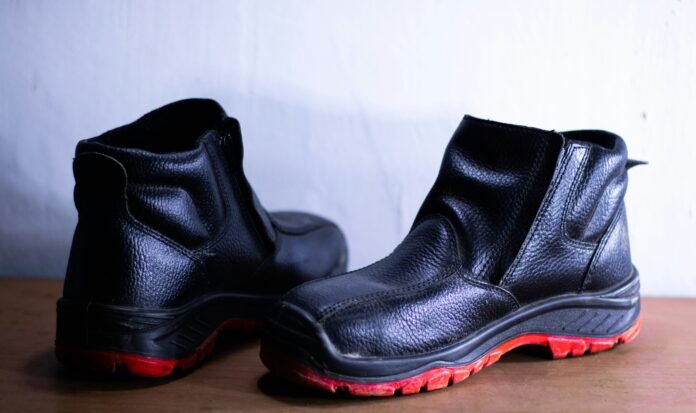
In addition to these staples, high-quality white shirts or blouses are essential. These can serve as a base layer, allowing easy layering with blazers or cardigans, and can be styled with various accessories for added flair. Footwear should not be overlooked; a pair of well-constructed loafers or heels will complete the ensemble, while also providing comfort throughout the day.
In summary, a professional yet fashionable wardrobe hinges on essential pieces like blazers, tailored trousers, and versatile tops which together provide the foundation for a multitude of stylish looks. Emphasizing quality and fit is crucial in achieving the right balance, allowing professionals to express themselves through their clothing while maintaining a polished appearance.
Incorporating Accessories for Style and Sophistication
Accessories play a pivotal role in enhancing a professional outfit, serving as the finishing touches that elevate overall appearance while maintaining a polished look. The right accessories can infuse personality into professional attire, showcasing an individual’s sense of style and sophistication without appearing overly extravagant. When selecting accessories for business wear, it is essential to strike a balance between elegance and restraint.
First and foremost, consider the functionality of accessories, particularly bags. A structured handbag or briefcase can effectively complete professional attire while providing practicality for daily tasks. Opt for neutral colors and quality materials to ensure that the bag complements various outfits and signifies professionalism. Additionally, choosing a bag with well-organized compartments can enhance efficiency while exuding style.
Jewelry also offers opportunities for aesthetic enhancement. Minimalistic pieces, such as stud earrings or a classic watch, can add a touch of refinement without drawing excessive attention. Avoid oversized or overly vibrant jewelry that might clash with corporate environments. Instead, subtle designs can tie an ensemble together, allowing the focus to remain on the outfit itself.
Shoes are another crucial element in the realm of accessories. Quality footwear, such as leather pumps or loafers, not only conveys professionalism but also contributes to overall comfort throughout the workday. Choose styles that elegantly align with your professional attire while ensuring they are practical for on-the-go schedules.
Ultimately, the key to successfully incorporating accessories lies in the art of subtlety. Thoughtful selection and moderation in accessory choices can enhance professionalism, showcasing an individual’s personal style without compromising workplace appropriateness. By adhering to these principles, professionals can achieve a look that is both sophisticated and fashionable.
Choosing Colors and Patterns Wisely
When it comes to projecting an image of professionalism and style, the choice of colors and patterns plays an essential role. Color psychology suggests that different hues can evoke specific emotions and responses, thus influencing perceptions in a professional environment. For instance, blue is often associated with trust and dependability, making it a popular choice for business settings. Incorporating shades of blue into your wardrobe can therefore convey a sense of confidence and reliability without sacrificing personal flair.
On the other hand, warmer tones such as red and orange can convey energy and passion; however, they can also be seen as aggressive if overused. It is advisable to incorporate warmer colors subtly or as accents to maintain a balanced, professional appearance. Similarly, earthy tones like greens and browns offer a grounded, approachable aesthetic that can foster a sense of calm and stability.
Patterns also hold significance in professional attire. While bold patterns can make a strong statement, they might not always be suitable for formal settings. Subtle patterns, such as pinstripes or small checks, can elevate your outfit while remaining within the bounds of professionalism. Additionally, classic patterns like polka dots or florals can be integrated through accessories—such as ties, scarves, or pocket squares—to showcase personal style without overwhelming the business context.
Ultimately, the key to achieving a harmonious look lies in the combination of colors and patterns that serve your professional goals while allowing for personal expression. Striking this balance can enhance not only your appearance but also your confidence in social and work-related interactions. Careful consideration of color choices and pattern integration can lead to a polished yet fashionable image that resonates well with colleagues and clients alike.
The Role of Grooming and Personal Care
Grooming and personal care play a pivotal role in achieving a professional appearance. It is often said that first impressions count, and the way one presents themselves can significantly influence how they are perceived in a professional environment. Incorporating proper grooming practices can markedly enhance one’s demeanor, providing a polished and sophisticated look that commands respect.
Hair grooming is foundational in this regard, as it affects overall presentation. Regular haircuts, suitable hairstyles, and consistent maintenance can project an image of discipline and attention to detail. Professionals should consider choosing a hairstyle that complements their facial features while aligning with their workplace culture. Additionally, using products that nurture the hair’s health, such as conditioners and styling creams, ensures that the hair appears well-kept and vibrant.
Skincare is equally essential in cultivating a professional image. A well-maintained skincare routine can contribute to a refined look. This encompasses cleansing, moisturizing, and, when necessary, applying sunscreen to protect against environmental stressors. Individuals should select products that suit their skin types, as radiant and healthy skin reflects care and consideration. Even subtle makeup can enhance one’s features and project an air of professionalism, should that be in alignment with the workplace environment.
Nail care is another crucial aspect that often goes overlooked. Clean, well-groomed nails can suggest cleanliness and attention to detail, traits that are important in any professional setting. Regular manicures or simple at-home care routines can contribute to a neat appearance. It is advisable to choose nail aesthetics that are subtle and appropriate for the workplace, avoiding overly bright or distracting colors.
In conclusion, the interplay of hair grooming, skincare, and nail care serves not only to enhance personal appearance but also to boost self-confidence. A focus on these grooming elements can significantly affect how one is perceived in a professional context, making them indispensable in any effort to strike the perfect balance between looking professional yet fashionable.
Seasonal Fashion Tips for Professionals
In the ever-evolving landscape of professional attire, it is essential for individuals to adapt their wardrobe according to the changing seasons, ensuring that they remain both fashionable and appropriate for various work environments. A well-curated seasonal wardrobe not only reflects personal style but also enhances overall professionalism.
During the spring and summer months, lightweight fabrics such as cotton, linen, and breathable blends are ideal choices. These materials promote comfort while maintaining a polished appearance. Opting for lighter color palettes—such as pastels and shades of white—can also contribute to a fresh and vibrant look. Tailored trousers or A-line skirts paired with button-down shirts or lightweight blouses can effortlessly elevate your style without compromising professionalism.
As the fall approaches, it becomes crucial to layer effectively. Investing in classic pieces, such as tailored blazers and cardigans, allows for versatility while providing warmth. Fabrics like wool or cashmere seamlessly transition into cooler temperatures. When selecting colors, earthy tones—like browns, deep greens, and burgundies—create a rich and sophisticated wardrobe that aligns with autumn aesthetics. Combining a fitted blazer with an elegant sweater over a dress or blouse offers a smart, layered look.
Winter necessitates additional attention to both style and warmth. Choosing high-quality outerwear is vital; a well-fitted coat in a neutral color can tie an entire outfit together. Underneath, consider thicker fabrics, such as tweed or heavy knits. Accessories like scarves, gloves, and hats can enhance visibility but should remain professional—avoid overly casual items. Ultimately, balancing style and comfort will allow professionals to navigate through each season confidently and stylishly.
Making Statements with Business Casual Attire
Business casual attire strikes a harmonious balance between professionalism and personal style, allowing individuals to present themselves appropriately in a work environment while still embracing current fashion trends. This style is often characterized by versatility and comfort, making it ideal for the modern workplace where traditional dress codes are being redefined.
A fundamental principle in business casual dressing is to select pieces that convey professionalism without being overly formal. For instance, a well-fitted blazer paired with tailored chinos can create an effortlessly chic outfit that meets business standards. Opting for neutral colors, such as navy, gray, and beige, can enhance the polished appearance while allowing for the incorporation of trendy patterns or accessories that add a personal touch.
Women can benefit from incorporating sophisticated blouses or shirts with subtle prints, coupled with ankle-length trousers or tailored skirts. Footwear plays a crucial role in business casual attire; polished loafers, ankle boots, or stylish flats work well to maintain a professional yet fashionable look. Similarly, men can find versatility in wearing a crisp dress shirt with well-fitted jeans or chinos, paired with smart leather shoes to complete the outfit.
Accessories can also inject personality into business casual outfits. A statement belt, a classic watch, or tasteful jewelry can transform a simple outfit into a stylish one. The key is to ensure that these accessories do not overpower the overall professionalism of the look but instead enhance it. By mixing and matching these elements, it is possible to construct business casual ensembles that are not only visually appealing but also comfortable for a full day at work.
In conclusion, mastering business casual attire allows individuals to express their personal style while maintaining an air of professionalism. The right combinations can lead to an outfit that feels both effortless and impactful, ensuring you make a strong impression in any work setting.
Conclusion: Embracing Your Unique Style
In today’s dynamic work environment, the interplay between professionalism and personal style is more pronounced than ever. It is essential for individuals to recognize that while adhering to workplace guidelines, there exists ample opportunity to express personal flair through fashion. Embracing your unique style not only boosts confidence but also allows for greater authenticity in professional settings.
Throughout this discussion, we have highlighted several strategies to strike a balance between looking professional and fashionable. One of the key points is understanding the significance of suitable attire. Investing in quality clothing that fits well can enhance your professional appearance while still reflecting your personality. Additionally, incorporating accessories is a practical approach to adding a fashionable element without compromising professionalism. Thoughtfully chosen accessories can serve as a means of expression, making a powerful statement in the workplace.
Moreover, we discussed the importance of color and patterns. While classic colors often dominate professional wardrobes, experimenting with bolder hues or subtle patterns can enliven your attire without detracting from its professional essence. Such choices can set you apart and convey a sense of creativity and confidence, aligning with the modern landscape of diverse workplaces.
Ultimately, embracing your unique style while meeting professional standards is both achievable and rewarding. It encourages individuals to view professional attire not just as a uniform, but as an extension of their personality. As you navigate your career, remember that fashion and professionalism are not mutually exclusive. By taking time to understand your preferences and applying the insights shared, you will foster a style that is distinctly yours, ensuring you present yourself with both confidence and poise in any setting.