
Introduction to Color Psychology in the Workplace
Color psychology is a fascinating area of study that examines how colors can influence human emotions, behaviors, and perceptions. This field has gained considerable attention in various aspects of life, particularly in professional settings, where the choice of color in clothing, office decor, and branding can significantly impact workplace dynamics. Understanding color psychology is essential for anyone aiming to create a positive work environment or enhance their professional image.
Colors can evoke different responses and feelings, depending on an individual’s personal experiences and cultural background. For instance, warm colors such as red and orange are often associated with energy and excitement but can also convey aggression or urgency. Conversely, cool colors like blue and green are typically linked to calmness, stability, and trustworthiness. These associations underscore the importance of selecting appropriate colors that align with desired workplace outcomes, including productivity, collaboration, and overall morale.
In a professional context, color choices can influence not only how individuals perceive themselves but also how others perceive them. Wearing colors that resonate positively can enhance one’s image, promote confidence, and establish authority or approachability. For example, it is widely believed that wearing blue in the workplace cultivates an image of competence and reliability, while lighter shades can convey warmth and accessibility. Such psychological impacts make it imperative for professionals to consider their color choices carefully, particularly in environments where first impressions are crucial.
Ultimately, understanding color psychology can facilitate improved communication and foster a more cohesive work atmosphere. By embracing the power of color, individuals can elevate their wardrobe in ways that exude sophistication and professionalism, contributing positively to their workplace experiences and interactions.
Why Color Choice Matters for Professional Attire
Choosing the right colors for professional attire is not merely an aesthetic consideration; it fundamentally shapes personal branding and influences first impressions in a workplace setting. Colors carry symbolic meanings and emotional associations that can significantly affect how one is perceived by clients and colleagues alike. A thoughtfully curated color palette can enhance a professional image, projecting qualities such as authority, creativity, stability, and sophistication.
For instance, the color blue is often associated with trustworthiness and calm, making it an ideal choice for business meetings and presentations. Wearing navy or royal hues can instill confidence not only in the wearer but also in their audience. Meanwhile, colors like black convey power and elegance, making them a staple in professional wardrobes. Alternatively, lighter shades like beige or pastel tones exude approachability and friendliness, which can facilitate open communication in collaborative environments.
The impact of color extends into psychological realms. Research indicates that the colors one chooses to wear can also influence their emotional state and confidence levels. Wearing colors that resonate positively with the individual can elevate mood and self-assurance, leading to improved performance and interaction. Furthermore, it is crucial to consider the impressions created through color in different cultural contexts. For example, while red may symbolize passion and energy in some cultures, it can also denote caution and warning in others. Therefore, understanding the nuances of color choice can aid professionals in navigating diverse workplace environments.
In essence, selecting the appropriate colors for professional attire is a powerful tool in personal branding. By doing so, individuals can communicate their values and professional intentions effectively, making a lasting impression in an increasingly competitive landscape.
The Power of Neutrals: Timeless Elegance
Neutral colors have long been celebrated for their versatility and sophisticated appeal in the realm of fashion. Shades such as black, white, gray, and beige serve as a foundational palette that can effortlessly elevate any wardrobe, particularly in a professional setting. These colors, often associated with refinement and poise, allow individuals to express their style while maintaining an air of professionalism that is crucial in work environments.
Black is perhaps the most iconic of all neutral colors, known for its slimming effect and ability to project authority. A well-tailored black blazer, for example, can be paired with a variety of blouses and accessories, making it a quintessential piece for achieving a polished look. Meanwhile, white creates a fresh and crisp appearance, which can help convey clarity and focus. A white button-up shirt worn beneath a tailored suit adds an element of sophistication, ensuring that one stands out in meetings and presentations.
Gray, another classic neutral, offers a superb balance between black and white. It brings depth and complexity to outfits while remaining understated. A charcoal gray dress or tailored pant can be a perfect choice for those seeking to leave a lasting impression without appearing overly flashy. Beige, recognized for its warmth, adds a touch of elegance and is particularly effective when paired with bolder colors, creating a harmonious and chic contrast.
Combining these neutral shades with other colors can result in stunning outfits that exude luxury. For instance, incorporating a vibrant accessory, such as a rich jewel-toned scarf with a gray dress, can transform a simple look into something truly remarkable. In the world of work-friendly fashion, the adaptability and timeless elegance of neutrals make them indispensable tools that can enhance professional attire while allowing for personal expression.
Rich Jewel Tones: A Touch of Luxury
Jewel tones such as emerald green, sapphire blue, and burgundy are often associated with luxury and elegance, making them an ideal choice for work-friendly attire. These rich colors not only captivate the eye but also convey a sense of sophistication and professionalism. Incorporating jewel tones into your wardrobe can elevate your overall appearance and signal confidence in a workplace setting.
Emerald green, often linked with renewal and growth, brings a fresh and vibrant touch to any outfit. It pairs beautifully with neutrals, making it a versatile option for both blouses and tailored jackets. When worn in the form of a structured dress or a crisp blouse, emerald can instantly enhance your professional wardrobe, creating a visual impact without overpowering the overall look.
Sapphire blue is another luxurious hue that embodies tranquility and competence. This deep shade of blue is universally flattering and works well across various garbs, from tailored trousers to skirts. Choosing sapphire for your work attire establishes trust and authority, making it an excellent choice for presentations and important meetings. Moreover, it can be easily accessorized with gold or silver jewelry, further enhancing its regal essence.
Burgundy, a warm and rich color, evokes feelings of sophistication and warmth. This shade is particularly effective during the fall and winter seasons, allowing individuals to embrace a more refined color palette. A burgundy pencil skirt or blazer can create an impactful statement while remaining firmly embedded in the professional realm. Pairing it with complementary colors like cream or black can further accentuate its luxurious feel.
Incorporating jewel tones into your work-friendly wardrobe not only adds a touch of luxury but also enhances self-expression in a professional context. These rich colors can help individuals stand out while adhering to workplace attire guidelines, ultimately contributing to a polished and elegant appearance.
Pastel Shades: Subtle Sophistication
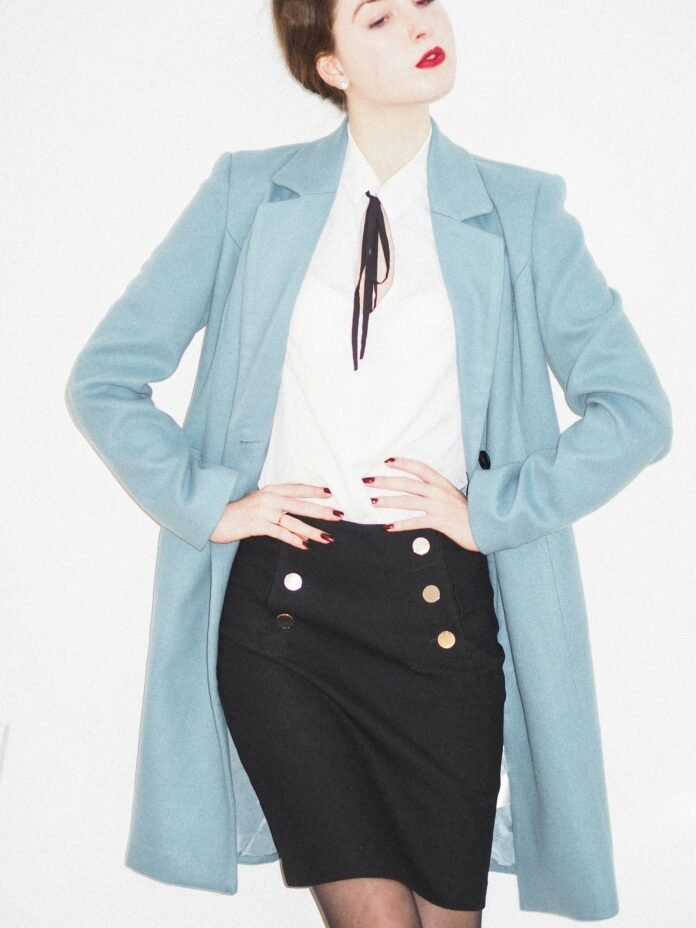
In the context of work attire, pastel shades such as blush pink, baby blue, and mint green are gaining considerable traction, reflecting not only a modern aesthetic but also a sense of understated sophistication. These soft colors can have a profound impact on how individuals are perceived in professional settings, blending style with the expected decorum of workplace attire.
Blush pink, for instance, introduces a fresh and approachable vibe, offering a gentle warmth that can enhance interactions with colleagues and clients alike. Its calming nature can foster a welcoming atmosphere, making it a preferred choice for meetings and collaborative environments. Meanwhile, baby blue is associated with tranquility and reliability. This serene hue is often recognized for its effect in reducing stress levels, thereby promoting a positive work environment. By incorporating baby blue into your wardrobe, you can convey not just professionalism, but also approachability—an essential balance in today’s workplace dynamics.
Mint green adds yet another layer of sophistication to the palette of pastel shades. It is refreshingly versatile, complementing a wide range of skin tones and organizational settings. This color reflects vitality and innovation, traits that are highly sought after in professional landscapes. Wearing mint green can set a tone that encourages creativity and forward-thinking, making it an ideal choice for roles that demand out-of-the-box solutions.
Integrating these pastel colors into your work attire not only elevates your wardrobe but also allows for personal expression without sacrificing professionalism. Opting for tailored pieces in these shades can strike the perfect balance between fashion and functionality, proving that subtle sophistication can harmonize with the demands of the workplace.
Warm Earth Tones: Comfort and Stability
Warm earth tones encompass a variety of colors that evoke a sense of comfort, stability, and approachability, making them ideal choices for any professional wardrobe. Colors such as terracotta, olive green, and mustard yellow not only exude a feeling of warmth but also convey a sense of sophistication, which can be particularly beneficial in workplace settings. By incorporating these hues into your attire, one can strike a balance between looking upscale and relatable.
Terracotta, with its rich reddish-orange undertones, brings a touch of warmth that can uplift any outfit. This color pairs well with neutrals, allowing for versatile styling options. When worn in tailored blazers or dresses, terracotta enhances the wearer’s approachability without sacrificing style. It’s perfect for creating a polished yet friendly appearance, ideal for team meetings or client interactions.
Olive green is another excellent choice among warm earth tones. It is commonly associated with nature and tranquility, promoting a grounded presence in any professional environment. Olive green can be both bold and understated, depending on how it is styled. Wearing it in shirts or skirts communicates confidence while enforcing a reliable image. This color is particularly striking when combined with other earth tones or subtle patterns, ensuring that attire remains sophisticated and fresh.
Lastly, mustard yellow emerges as a vibrant addition to work-friendly attire. This lively hue symbolizes optimism and energy, attributes that can inspire confidence in colleagues and clients alike. Mustard yellow can be integrated through accessories such as scarves and ties or as an accent in a blouse or jacket. Though vivid, it retains a sense of luxury when paired thoughtfully with other warm tones, allowing for a complete yet balanced look that stands out in any professional setting.
Monochromatic Outfits: The Chic Factor
Monochromatic outfits have emerged as a definitive style choice for professional settings, offering an effortless sophistication that resonates with contemporary workplace aesthetics. By merely selecting varying shades of a single color, individuals can create visually striking ensembles that project confidence and authority. This approach not only simplifies the dressing process but also establishes a coherent and polished appearance that is particularly beneficial in work environments.
The use of a monochromatic palette creates an elongating effect, making the wearer appear taller and more streamlined. Such visual continuity is particularly effective in minimizing distractions, allowing focus to remain on the individual’s professional competencies rather than their attire. Additionally, a well-coordinated monochromatic outfit can enhance the perception of professionalism, as it indicates a meticulous attention to detail.
When choosing a base color for a monochromatic look, it is essential to consider the implications of color psychology in the workplace. For instance, navy or blue shades convey trust and reliability, while soft hues like pale grey or beige suggest calmness and approachability. Bold colors, such as deep red or emerald green, can convey confidence and assertiveness, making them excellent choices for crucial meetings or presentations where a commanding presence is required.
The versatility of monochromatic outfits cannot be overstated; accessories and shoes can be layered in similar or complementary shades to enhance the overall impact of the ensemble. Combining various textures within the same color family—such as pairing a silk blouse with tailored wool trousers—adds depth to the outfit while maintaining a seamless look. In essence, embracing monochromatic outfits in a work setting not only simplifies daily dressing but also amplifies one’s personal brand, whereby style and sophistication go hand in hand.
Accessories and Accent Colors: Finishing Touches
In the realm of professional attire, accessories play a crucial role in enhancing the overall look while incorporating work-friendly colors that exude luxury. Thoughtfully selected accessories, such as ties, scarves, and jewelry, can elevate even the simplest outfits, transforming them into sophisticated ensembles. The key to achieving this elevated appearance lies in the choice of both color and design.
When considering ties for men, opting for solid colors or subtle patterns that align with a luxurious color palette can make a significant difference. Shades like deep navy, rich burgundy, or sage green are excellent choices that convey professionalism while still feeling inviting. Incorporating a silken texture allows the tie to catch the light, adding a touch of elegance that speaks of quality without being ostentatious. Complementing these ties with a crisp, tailored shirt in a contrasting work-friendly hue can effectively round off the outfit.
For women, scarves are a versatile accessory that can serve as an accent color, weaving shades into the overall look. A lightweight silk or cashmere scarf in a vibrant jewel tone can be draped or tied in various versatile styles, demonstrating both style and functionality. This accessory not only provides visual interest but also enriches the professional attire’s color scheme, adding layers of depth. Furthermore, pairing these scarves with tailored blouses or blazers in muted tones enhances the luxurious aesthetic.
Jewelry also contributes to embodying an elegant presence. Simple, refined pieces in gold or silver tones can harmonize with accent colors for a cohesive look. For instance, a pair of earrings or a statement necklace that echoes the accent colors in the outfit can serve to unify the entire professional ensemble. By carefully considering these finishing touches—ties, scarves, and jewelry—one can achieve a polished appearance that communicates both professionalism and luxury.
Conclusion: Building a Luxurious Work Wardrobe
Creating a work wardrobe that exudes luxury begins with the thoughtful selection of colors. The previous sections have explored various colors that not only convey sophistication but also enhance your professional presence. Shades such as navy, charcoal, and deep greens are excellent choices for establishing an elegant look that remains appropriate in a corporate environment. Additionally, the inclusion of muted tones and classic neutrals, such as taupe and cream, can provide a versatile foundation that pairs well with bolder accents.
Incorporating luxurious colors into your wardrobe is not solely about adherence to strict fashion guidelines; it is also an opportunity to express your personal style. Experimenting with different hues can help you discover combinations that resonate with your professional identity. For instance, pairing a rich burgundy blouse with tailored gray trousers can create an understated yet impactful outfit. The goal should be to select colors that elevate your appearance and instill confidence, allowing your true potential to shine through.
Moreover, texture and fabric play a significant role in enhancing the perception of luxury. When opting for work-friendly colors, consider materials such as silk, wool, or high-quality cotton, as these can significantly elevate your overall look. Textured fabrics in classic colors can offer a more refined feel and enhance the overall aesthetic of your outfits.
Ultimately, building a luxurious work wardrobe entails a balance of color, texture, and confidence. Embrace the colors that align with your professional image while ensuring they make you feel empowered and self-assured. By thoughtfully curating your clothing selections, you can create a striking wardrobe that not only looks exceptional but also supports your career aspirations.