Introduction to Minimal Street Style
Minimal street style is a fashion approach that champions simplicity, efficiency, and understated elegance. Its roots can be traced back to the mid-20th century when designers began to prioritize functionality over extravagance. Consciously eschewing excess, minimal street style focuses on a curated wardrobe composed of essential pieces that blend seamlessly into everyday life. This concept is not merely about fashion; it represents a lifestyle choice that celebrates clean lines, neutral tones, and timeless silhouettes.
The essence of minimal street style lies in its versatility. Minimalist pieces can be effortlessly mixed and matched, allowing for endless outfit possibilities that range from casual to sophisticated. Items such as well-fitted jeans, classic white shirts, and structured outerwear serve as the foundation for a minimalist wardrobe, providing a canvas upon which to build various looks without compromising on style. When accessorized thoughtfully, these foundational garments can exude a sense of luxury that belies their simplicity.
Another appealing aspect of minimal street style is its commitment to quality over quantity. Emphasizing the importance of selecting high-quality materials and craftsmanship, minimalists often invest in fewer but more impactful pieces. This shift away from fast fashion not only contributes to a refined aesthetic but also promotes sustainability within the fashion industry. By choosing items that withstand trends and time, individuals embracing minimal street style cultivate a wardrobe that reflects both elegance and responsibility.
In exploring minimal street style, one discovers that true luxury often lies in simplicity and functionality. This approach redefines the notion of sophisticated fashion, demonstrating that a thoughtfully curated collection can elevate one’s personal style without the need for flamboyant adornments. By focusing on the essentials, minimal street style proves that less can indeed be more.
Key Principles of Minimalism in Fashion
Minimalism in fashion is defined by a set of core principles that emphasize the importance of intentionality in clothing choices. The first principle is quality over quantity. This philosophy advocates for investing in a limited number of high-quality garments rather than amassing a large collection of items that may not endure the test of time. By selecting well-crafted pieces made from durable materials, individuals can establish a wardrobe that not only looks refined but also provides long-lasting value.
Another essential characteristic of minimalism in fashion is the use of neutral color palettes. Colors such as black, white, beige, and gray serve as foundational tones that can easily be mixed and matched, allowing for versatile outfit combinations. The focus on neutral shades contributes to a clean and polished look, enhancing the overall aesthetic appeal. This strategic selection of colors minimizes visual clutter, ensuring that each outfit remains sophisticated and streamlined. Neutral palettes can also evoke a sense of luxury by transcending seasonal trends and remaining timeless.
Timeless silhouettes further embody minimalist principles by avoiding overly complicated designs. Classic cuts and shapes, such as tailored trousers, simple blouses, and structured outerwear, form the backbone of a minimalist wardrobe. These silhouettes promote versatility, allowing individuals to dress them up or down depending on the occasion. Emphasizing simplicity does not mean sacrificing style; instead, it invites the opportunity to express individuality through carefully chosen accessories or thoughtful layering techniques.
The essence of minimalism in fashion extends beyond merely owning fewer items. It embodies a conscious approach to style, where every piece serves a purpose and contributes to a luxurious overall ensemble. As individuals cultivate their wardrobes with these principles in mind, they discover the elegance that derives from simplicity and intentional selection.
Essential Wardrobe Pieces for a Minimalist Look
Adopting a minimalist aesthetic in street style involves curating essential wardrobe pieces that provide versatility and sophistication. At the core of this approach are items that can be mixed and matched effortlessly, ensuring a polished yet relaxed appearance. A fundamental component is a pair of tailored trousers. These trousers not only offer a flattering fit but also seamlessly transition from casual outings to more formal settings. Opting for neutral colors enhances their adaptability, allowing for easy coordination with various tops.
Equally important is the classic white shirt. This timeless piece serves as a versatile foundation, capable of pairing with nearly any ensemble. Whether tucked into tailored trousers or layered under a chic blazer, the white shirt embodies elegance and simplicity. It is this quality that makes it a staple in a minimalist wardrobe.
Understated outerwear, such as a well-fitted trench coat or a minimal bomber jacket, is vital for completing the look. These pieces not only provide warmth but also add a sophisticated layer to any outfit without overpowering the overall aesthetic. Choosing outerwear in classic colors ensures that it can be worn across various seasons and occasions.
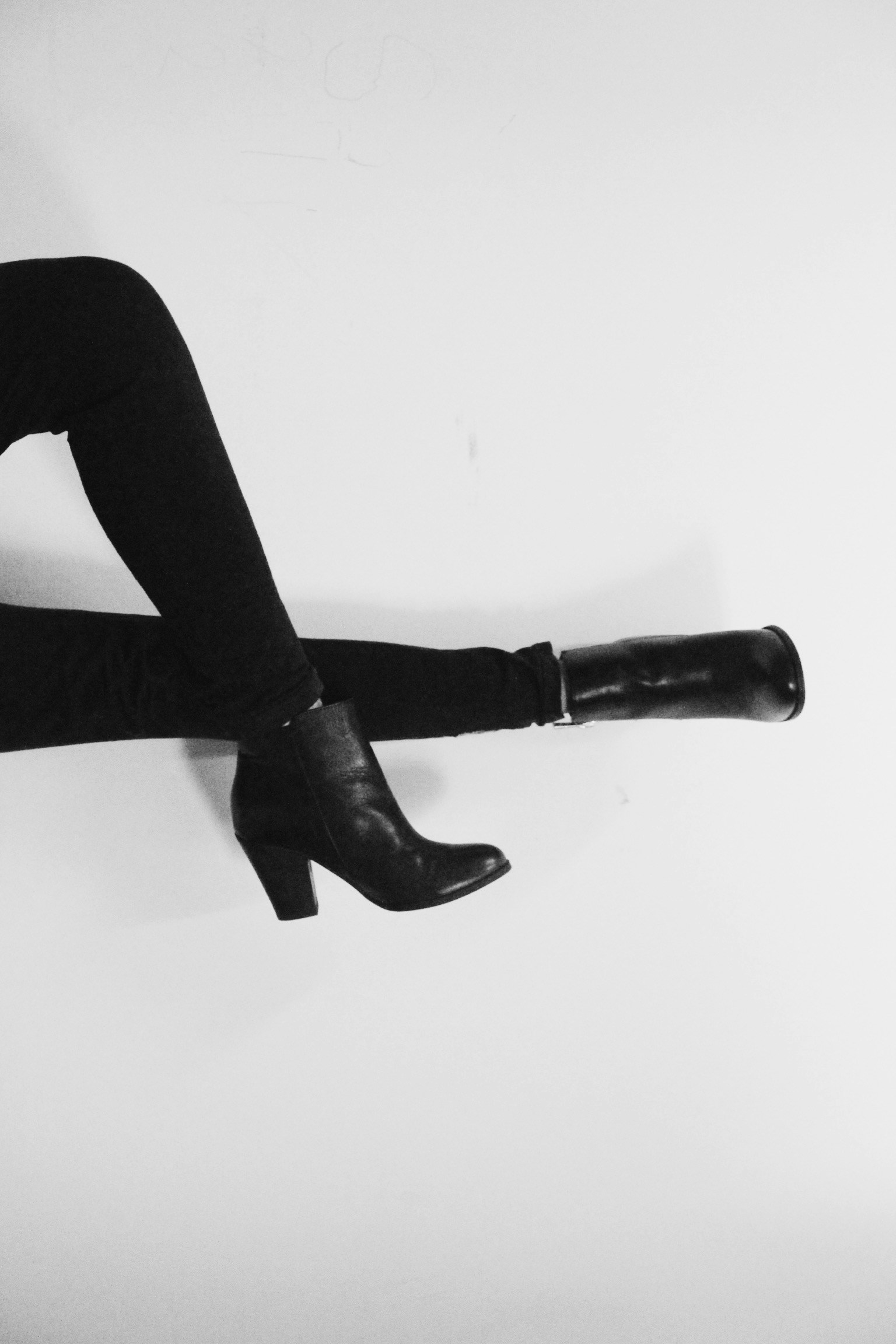
Footwear is another critical aspect of achieving a minimalist appearance. Versatile footwear such as loafers, sleek ankle boots, or classic white sneakers can ground an outfit and elevate its style quotient. These options offer comfort and practicality while maintaining the luxurious vibe associated with minimal street style.
Incorporating these essential wardrobe pieces effectively cultivates a refined, minimalist look that is both functional and fashionable, making statements with simplicity at its core.
Creating a Cohesive Color Palette
To establish a minimalist wardrobe that exudes luxury, it is essential to create a cohesive color palette. This palette serves as a foundation for developing a personal style that feels intentional and curated. The strategic use of neutral tones, earth hues, and carefully selected accent colors helps achieve this objective without overwhelming the overall aesthetic.
Neutral tones, such as blacks, whites, grays, and beiges, form the core of a minimalist palette. These colors possess high versatility, allowing for easy mixing and matching among various garments. When selecting neutral pieces, consider fabrics with interesting textures or subtle patterns, as these elements can introduce depth without deviating from the minimalist ethos. Incorporating different shades and temperatures of neutrals can further enhance cohesion, creating a visually appealing yet uncomplicated outfit.
Earth tones, including olives, browns, and rusts, can add warmth and richness to a minimalist wardrobe. These shades evoke a sense of nature and tranquility, seamlessly blending with the neutral palette. For instance, a muted olive green can complement beige trousers, while terracotta hues may pair effortlessly with a white blouse. The key is to incorporate earth tones in a way that retains the simplicity characteristic of minimalism while providing a fresh perspective.
Subtle accent colors, when added sparingly, can elevate the overall look without overpowering it. Colors like dusty rose, muted mustard, or soft teal serve as delightful accents, enhancing the perceived luxury of an outfit. When implementing these shades, choose one or two pieces that incorporate the accent color, keeping the rest of the ensemble neutral. This approach allows for personalization while maintaining a refined aesthetic.
By thoughtfully selecting and integrating these color elements into a wardrobe, one can create a minimalist style that radiates sophistication and ease.
Accessorizing the Minimalist Way
In the realm of minimalist fashion, accessories play a pivotal role in achieving a refined and expensive look. The key to successful accessorizing lies in the selection of statement pieces that enhance an outfit without overwhelming it. Minimalist accessories should be characterized by simplicity and elegance, effectively harmonizing with the overall aesthetic while providing a touch of sophistication.
When choosing jewelry, it is advisable to opt for delicate pieces that shine through minimalistic designs. Thin gold or silver chains, simple stud earrings, and subtle bracelets can add just the right amount of elegance to an outfit without creating clutter. These understated pieces not only complement the minimalist ethos but also communicate a sense of luxury through their quality and craftsmanship. By focusing on a few carefully selected items, one can portray an image that is both chic and sophisticated.
Additionally, sleek bags serve as essential accessories for a minimalist wardrobe. A structured handbag or a simple clutch made from high-quality materials can elevate even the most basic outfit. The color of the bag should be neutral or monochromatic to maintain cohesion with the overall look. Investing in a few timeless designs rather than following seasonal trends also ensures that the bag will remain relevant and stylish for years to come.
Understated belts can further enhance the minimalist aesthetic. A simple leather belt in a classic color can define the waist and add a polished finish to any silhouette. Incorporating such elements allows for a seamless blend of functionality and style, reinforcing the idea that less truly can be more. By carefully selecting and thoughtfully incorporating these accessories, individuals can elevate their street style and effectively embody the art of minimalist luxury.
Textural Contrast: Adding Depth to Your Outfit
In the realm of minimal street style, achieving a look that is both luxurious and understated often hinges on the artful play of textures. By skillfully combining various materials, one can elevate a simple outfit into an ensemble that radiates sophistication and depth. Incorporating textures like linen, cashmere, and leather into your wardrobe creates visual interest while maintaining a clean, refined appearance that is a hallmark of minimalism.
Linen, with its breathability and natural crinkle, adds an effortless vibe to any outfit. It contrasts beautifully with the smoothness of cashmere, which is known for its softness and warmth. When these two materials are merged, the linen offers a relaxed texture that balances the luxurious feel of cashmere. For instance, pairing a linen shirt with a cashmere sweater or scarf can create an inviting juxtaposition that draws the eye and enhances the overall aesthetic.
Leather introduces an element of edge and durability to minimal outfits. Its sleek surface can serve to accentuate the more delicate textures of fabrics like silk or cotton. A structured leather jacket, for example, can be worn over a lightweight linen dress to provide contrast without overwhelming the simplicity of the look. Moreover, accessories such as leather belts or bags can also anchor an outfit, providing depth and a touch of sophistication.
Incorporating varying textures not only enriches the visual appeal of an outfit but also allows for versatility in styling. When thoughtfully combined, these elements convey a sense of effortlessness while still embodying a polished and luxurious vibe. For fashion enthusiasts looking to refine their minimal street style, experimenting with texture is vital in curating a wardrobe that speaks to both elegance and individuality.
Finding Inspiration: Minimal Street Style Icons
The world of minimal street style has been shaped significantly by various icons and influencers whose distinctive fashion choices resonate with the principles of simplicity, sophistication, and luxury. These personalities serve as a wellspring of inspiration for those looking to adopt a refined yet understated wardrobe. Among them, figures like Emma Chamberlain and Timothée Chalamet illustrate how minimalism can be executed with flair while maintaining a casual vibe. Chamberlain, for instance, is often seen in monochromatic outfits accented by statement accessories, showcasing a blend of comfort and style that is quintessential to minimal street style.
Another notable influence is the renowned designer and fashion entrepreneur, Gigi Hadid. Her ability to curate looks that seamlessly fuse minimal elegance with contemporary streetwear sets a benchmark for aspiring fashion enthusiasts. Hadid often opts for tailored pieces like structured blazers paired with fluid trousers, embodying a polished aesthetic that speaks to luxury while remaining accessible. This approach suggests that minimalism is not about a lack of creativity; rather, it is about honing in on carefully selected elements that create a cohesive look.
In the realm of male fashion, the likes of Idris Elba and Harry Styles have also carved out niches within minimal street style. Their choices often encompass a palette of neutral tones combined with bold, yet minimalist pieces. For example, Elba’s propensity for fitted jackets and tailored trousers embodies the essence of refined masculinity, while Styles’ incorporation of vintage-inspired elements keeps his looks fresh and innovative. These icons highlight how incorporating minimalism into daily wear can result in outfits that feel both luxurious and effortlessly stylish.
By observing these minimal street style icons, readers can glean valuable insights on how to incorporate similar principles into their own wardrobes. It is important to focus on the synergy of pieces, opting for high-quality fabrics that elevate even the simplest of outfits. The key lies in embracing a less-is-more philosophy while adding personal touches that reflect one’s unique style, ensuring that minimalism becomes a statement of individuality rather than uniformity.
Caring for Your Minimalist Wardrobe
Maintaining a minimalist wardrobe requires attention to detail, particularly in the care of garments. The essence of minimalist fashion is rooted in quality over quantity, making it essential to invest time in caring for each piece to extend its lifespan. Proper washing techniques play a pivotal role in preserving the integrity of your clothing. Often, it is advisable to wash garments in cold water to prevent color fading and to reduce wear and tear. Utilizing a gentle detergent ensures that the fibers remain intact and mildly scented without harsh chemicals that can compromise the fabric.
Moreover, when it comes to drying, opt for air drying whenever possible. This method not only helps retain the shape of the garment but also diminishes the chances of shrinkage or deformation often associated with tumble drying. Should you choose to use a dryer for convenience, consider using a low heat setting to safeguard your clothing’s craftsmanship.
Storage techniques are equally crucial in caring for a minimalist wardrobe. It is essential to store items in a cool, dry place, away from direct sunlight, which can lead to fading and deterioration over time. For delicate fabrics, such as silk or cashmere, using breathable garment bags can prevent dust and moth infestations while still allowing the fabric to breathe. Hanging certain pieces, like blazers or dresses, can help maintain their structure, while knitwear and t-shirts are best folded to avoid stretching. Also, organizing your wardrobe by season and frequency of wear can make it easier to access your most valued items.
In adopting these practices, you not only prolong the life of your minimalist clothing but also enhance the overall experience of wearing pieces that embody luxury and simplicity. By focusing on proper garment care, you can enjoy a sustainable wardrobe that truly reflects your minimalist lifestyle.
Conclusion: The Enduring Appeal of Minimal Street Style
Throughout this exploration of minimal street style, we have illuminated the essence of a fashion aesthetic that seamlessly blends simplicity with elegance. Minimalist fashion emphasizes the beauty of restraint, allowing each piece in one’s wardrobe to make a significant impact. By prioritizing quality materials, tailored fits, and a cohesive color palette, individuals can cultivate a look that exudes sophistication without overwhelming complexity.
The enduring appeal of minimal street style lies in its versatility and timelessness. It transcends fleeting trends, allowing for a wardrobe that can be effortlessly adaptable to various occasions. This approach not only serves to elevate personal style but also promotes sustainability by encouraging thoughtful purchasing decisions. By focusing on fewer, high-quality items, consumers can reduce their fashion footprint while creating a distinctly luxurious appearance.
Adopting a minimalist mindset in fashion choices invites a more discerning approach to shopping, where the emphasis is placed on selecting pieces that contribute positively to the overall aesthetic. Key items such as well-fitted trousers, classic white shirts, and versatile outerwear become staples, effortlessly transitioning from casual ensembles to polished outfits. This minimalist strategy fosters confidence, as each curated selection reflects a clear understanding of personal style that resonates with luxury aesthetics.
In summary, minimal street style not only embodies an appealing fashion sense but also cultivates an intentional lifestyle choice. By embracing this artful simplicity, individuals can redefine their wardrobes, ensuring that each item serves both purpose and style. Ultimately, the pursuit of minimalism in fashion offers a pathway towards creating a refined and effortlessly chic appearance, inviting all to experience the luxurious allure that comes with a well-curated minimalist wardrobe.