Introduction to Business Casual
In today’s work environment, the term “business casual” has evolved to represent a blend of professionalism and personal expression. It bridges the gap between formal business attire and more relaxed clothing choices, allowing employees to present themselves appropriately while conveying a sense of comfort. This style is increasingly becoming the norm in many workplaces, reflecting a cultural shift towards more flexible and inclusive dress codes.
Business casual attire typically emphasizes polished elements, such as tailored blouses, modest dresses, slacks, and appropriate footwear, while steering away from overly formal garments like suits and ties. The essence of business casual lies in its ability to maintain a professional appearance without compromising comfort. This is especially valuable in environments that demand creativity and collaboration, where rigid dress standards may hinder self-expression and individual comfort.
The implications of adopting a business casual dress code vary across different sectors and organizations. For instance, creative industries may embrace more relaxed interpretations, allowing for vibrant prints and diverse styles, while corporate settings may lean toward more muted palettes and structured shapes. Regardless of the sector, it is essential for women to navigate these dress codes with care, ensuring that their choices reflect both their professionalism and personal style.
Maintaining a well-curated wardrobe tailored to business casual standards not only helps in making a positive first impression but also instills confidence as one engages with colleagues and clients. Balancing comfort and professionalism is key, as it fosters an atmosphere where individuals can perform at their best while feeling authentic in their chosen attire. As workplaces continue to embrace this more relaxed approach, understanding the nuances of business casual becomes increasingly important for women striving to succeed in their careers.
Key Pieces for a Business Casual Wardrobe
Creating a business casual wardrobe for women involves selecting versatile and comfortable clothing that maintains a professional appearance. Essential key pieces typically include tops, bottoms, dresses, and outerwear that balance style and practicality. When considering tops, blouses made from breathable fabrics such as cotton or silk can provide both elegance and comfort. Neutral colors like white, beige, or pastel shades are ideal choices, as they can easily pair with a variety of bottoms. Additionally, patterns such as subtle stripes or floral prints can incorporate personality into the outfit while keeping it work-appropriate.
For bottoms, tailored trousers and pencil skirts are fundamental elements of a business casual ensemble. Opting for trousers in darker shades or classic patterns like houndstooth can add a polished look. A-line skirts are also a great alternative, offering comfort without sacrificing sophistication. Fabrics such as stretch cotton or polyester blends not only provide comfort but also ensure that the clothing retains its shape throughout the workday. When incorporating dresses, consider pieces that are knee-length or longer with structured silhouettes. Wrap dresses and sheath dresses made from materials like jersey or cotton blends are perfect options, often transitioning seamlessly from office to after-work functions.
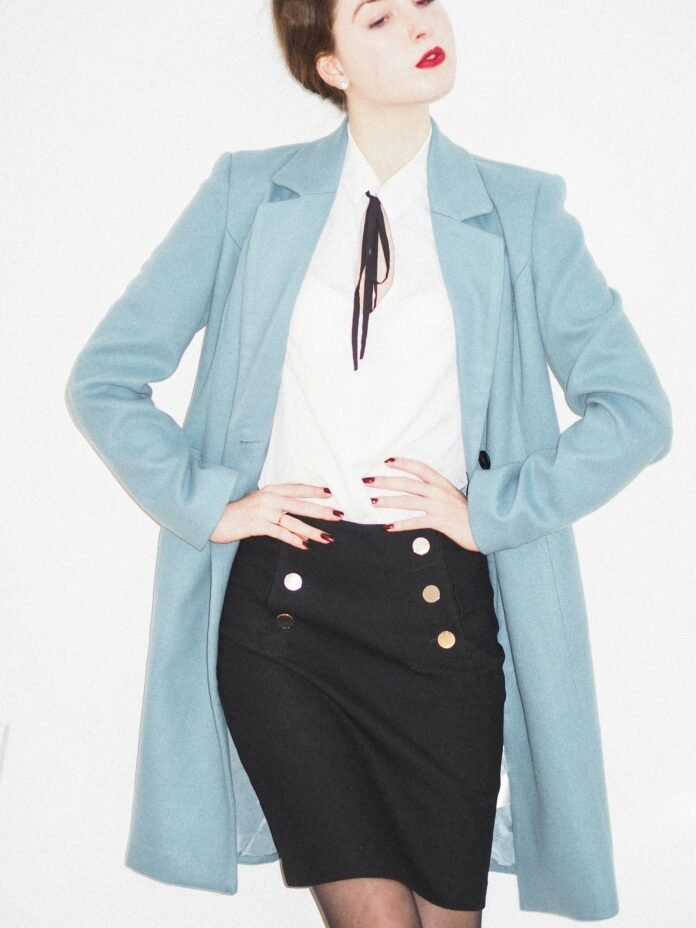
Completing the business casual look requires appropriate outerwear, particularly during transitional seasons. A tailored blazer can elevate any outfit, creating a balanced appearance while adding an extra layer for warmth. Look for blazers in classic colors like navy, black, or gray, as these shades are versatile and timeless. Cardigans are also suitable for a softer touch, preferably in fine knit materials that maintain a polished look. This combination of tops, bottoms, dresses, and outerwear forms the foundation of a well-rounded business casual wardrobe, allowing women to express their personal style while adhering to workplace guidelines.
Choosing the Right Footwear
Footwear plays a crucial role in defining a business casual look for women. The right choice can seamlessly blend comfort with sophistication, creating an overall polished appearance. When selecting shoes, consider styles that not only suit your personal aesthetic but also align with the demands of your workplace environment.
Flats are a versatile option for business casual outfits. They offer comfort for long hours at the office while maintaining a chic profile. Opt for styles that come in classic colors, such as black or nude, which can be paired with various outfits. Look for details like subtle embellishments or interesting textures to elevate their elegance. Additionally, loafers are a contemporary choice that provides both style and comfort, making them ideal for office settings.
Heels can also be incorporated into a business casual wardrobe, with block heels being a favorable option. They offer the necessary elevation while ensuring greater stability and comfort. A moderate heel height, typically between one to three inches, strikes a balance between professionalism and practicality. When selecting heels, prioritize those made from quality materials that promise durability.
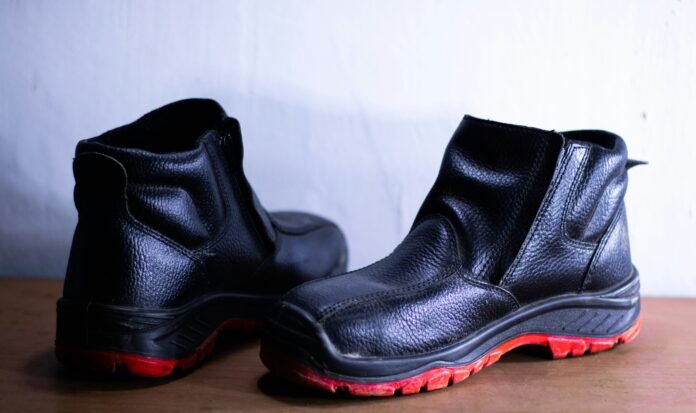
Ankle boots are another excellent footwear choice, especially during colder months. Their structure can add a stylish flair to any outfit, while also complying with business casual norms. Look for sleek designs in leather or suede that can transition from the office to after-work events effortlessly.
Regardless of the style you choose, it is essential to ensure your shoes are well-maintained. Regular cleaning and proper storage will preserve their condition, allowing you to present a polished image. Ultimately, the right footwear can enhance not only your comfort but also your confidence in a professional setting.
Accessorizing for a Professional Look
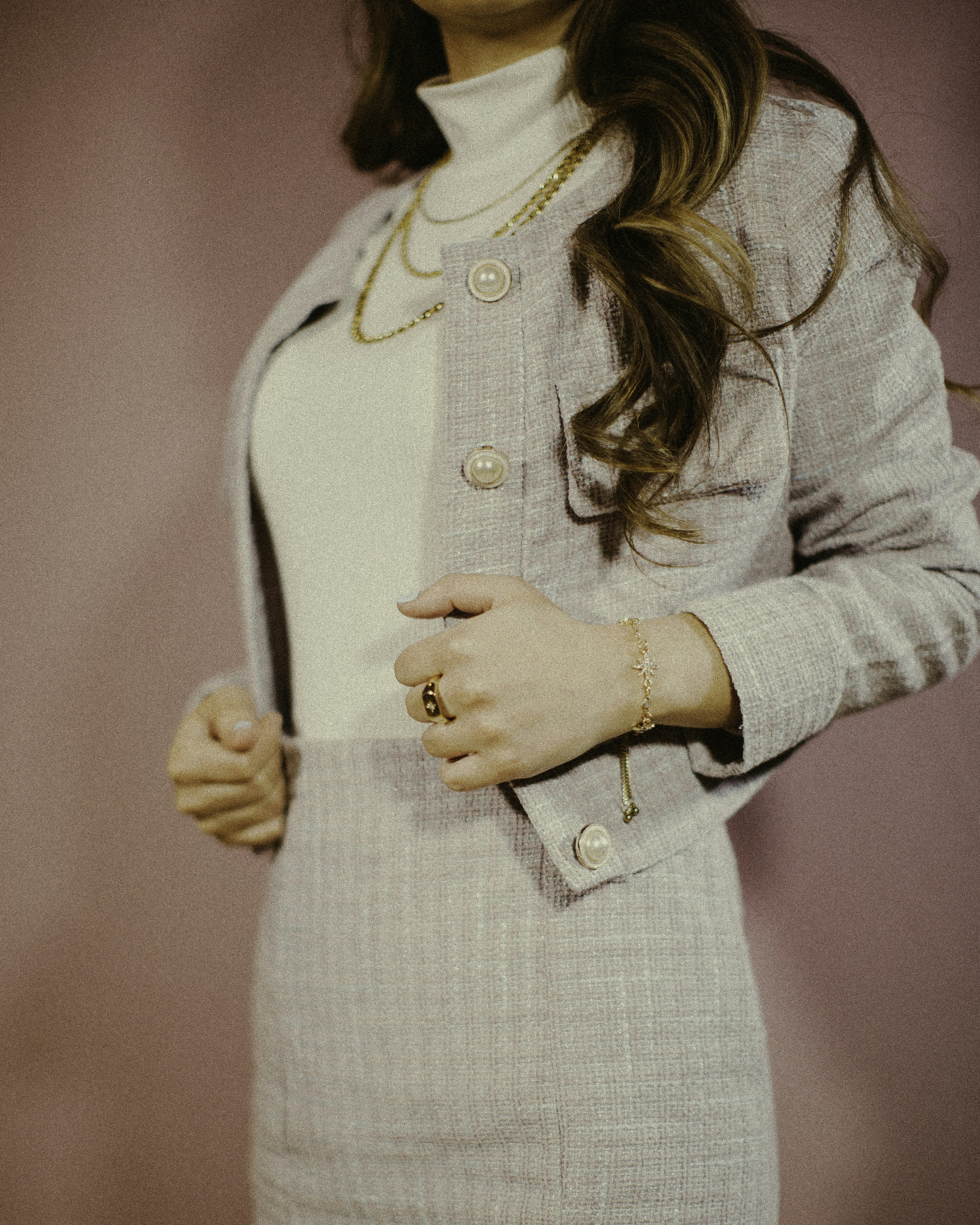
Accessorizing plays a critical role in elevating a business casual outfit, providing an opportunity to express personal style while maintaining professionalism. The key lies in choosing accessories that strike a balance between understated elegance and eye-catching appeal. In a business setting, jewelry should typically be simple yet sophisticated. Pieces such as stud earrings, delicate necklaces, and minimalist bracelets can complement an outfit without overwhelming it. Furthermore, opting for materials like sterling silver, gold, or subtle gemstones can enhance the overall look while keeping it appropriate for the workplace.
Scarves are another versatile accessory that can add both color and texture to a business casual ensemble. A well-chosen scarf can serve as a focal point or provide warmth during colder months. Selecting scarves in classic colors or muted patterns ensures that they harmonize with various outfits, contributing to a polished appearance. When styled correctly, a scarf can transform a simple blouse or blazer into a more dynamic look.
Bags are essential for both functionality and style. A structured handbag in a neutral tone can act as a complement to many business casual outfits, maintaining a professional aura. Investing in quality materials, such as leather or durable fabric, can further enhance the bag’s visual appeal. Additionally, ensuring the bag is appropriately sized for daily use while remaining chic contributes to an overall sophisticated ensemble.
Lastly, belts can provide a touch of definition to outfits, particularly when worn over blouses or dresses. Choosing a belt in a coordinating color or with a subtle metallic finish can help to tie an outfit together. The aim is to incorporate these accessories in a manner that adds personality while reinforcing a professional image, ensuring one is always dressed for success in a business casual setting.
Layering Techniques for Versatility
Layering is an essential component of achieving a polished and adaptable business casual wardrobe. The art of layering allows women to mix and match various items, enhancing both style and functionality while accommodating fluctuating temperatures. To effectively layer outfits, consider starting with a foundational piece, such as a well-fitted blouse or a sophisticated turtleneck. These wardrobe staples serve as the base for an array of combinations.
Integrating blazers, cardigans, or vests can elevate a simple outfit, adding structure and sophistication. For instance, a tailored blazer can transform a basic blouse and trousers into a chic ensemble suitable for a meeting or presentation. Opt for blazers in neutral colors to maximize versatility, or explore bold hues and patterns for a more expressive approach. Similarly, a classic cardigan can be easily added over a dress or layered on top of a blouse for a relaxed yet professional look.
Vests, often overlooked, are another excellent layering option. A tailored vest can provide warmth without compromising style and is particularly effective when paired with longer-sleeved tops. It’s crucial to ensure that each layer complements the others in terms of color and material. Mixing textures, such as a silk blouse under a knit cardigan, can add depth and intrigue to your outfit.
Transitioning from day to evening wear can be effortless with the right layering techniques. For example, a structured jacket worn during the daytime can be swapped for a statement necklace and sleek heels in the evening, offering a fresh look suitable for social engagements. Additionally, choosing fabrics that drape well ensures a seamless transition, allowing for an elegant and comfortable experience regardless of the occasion.
Colors and Patterns for Business Casual
In the realm of business casual attire, the selection of colors and patterns plays a pivotal role in conveying professionalism and confidence. When choosing colors for a business casual wardrobe, it is essential to consider hues that project authority and sophistication. Neutral colors such as navy, gray, black, and beige serve as a strong foundation, often complementing a variety of skin tones while exuding a polished appearance. Incorporating softer shades, like pastels or earth tones, can add a touch of personality and warmth without compromising professionalism.
Beyond solid colors, patterns can also be strategically employed to enhance one’s business casual outfit. Subtle prints, such as pinstripes, checks, or small florals, can add visual interest while remaining appropriate for a workplace setting. It is advisable to choose patterns that are not overly bold or distracting, as they may shift the focus away from one’s competencies. For instance, a soft plaid shirt paired with tailored trousers can create a harmonious balance that reflects both authority and style.
When integrating patterns, consider the size scale and color palette. Larger patterns may be more suited to casual environments, whereas smaller, intricate designs typically align better with business casual expectations. Mixing and matching colors and patterns should be approached with caution; a good rule of thumb is to limit each outfit to one patterned item, complemented by solid pieces to maintain a cohesive look.
Ultimately, the objective is to create a polished and approachable appearance that conveys confidence. By thoughtfully selecting colors and patterns, women can effectively navigate the nuances of business casual attire while expressing their personal style.
Tips for Shopping Smart
Shopping for a business casual wardrobe requires a strategic approach that balances budget management, style, and practicality. To begin with, it is essential to set a budget before embarking on your shopping journey. Determining how much you are willing to spend can help prioritize purchases and avoid impulse buys. Additionally, it is wise to allocate funds for versatile staple pieces that can be mixed and matched, rather than spending on trend-driven items that may quickly go out of style.
Understanding your body type also plays a crucial role in effective shopping. Different silhouettes complement various body shapes; thus, it is important to identify styles that flatter your figure while keeping in line with business casual attire. For instance, tailored blazers, straight-leg trousers, and A-line skirts can create a polished look while providing comfort. Try to focus on fit and comfort, as these elements will ensure that your clothing not only looks good but also feels good throughout your workday.
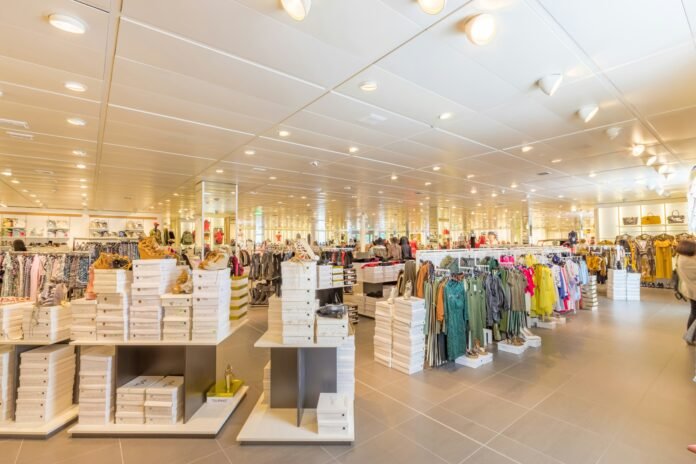
When curating a business casual wardrobe, quality should always take precedence over quantity. Investing in well-made garments will provide long-lasting wear and maintain a polished appearance over time. Look for reputable stores that offer quality business casual options, such as Nordstrom, Banana Republic, and J.Crew. These retailers often carry a wide variety of essential pieces, from blouses to slacks, all designed to fit seamlessly into your wardrobe.
Lastly, consider creating a cohesive collection by purchasing items that can be easily paired with one another. Neutral colors and classic patterns can enhance versatility, allowing you to build a wardrobe that remains stylish and functional. Thoughtful shopping will ultimately lead to a well-rounded business casual wardrobe that is both practical and aesthetically pleasing.
Dressing for Different Occasions
Business casual attire can vary significantly depending on the context of the occasion. Understanding how to appropriately adapt your clothing choices is essential for projecting professionalism while also embracing comfort. This section will examine the key considerations in dressing for diverse workplace environments.
For office meetings, one should prioritize polished yet approachable attire. A tailored blazer paired with a smart blouse and tailored trousers can convey professionalism without appearing overly formal. Opting for neutral colors and subtle patterns helps create a sophisticated look, while conservative accessories contribute to a business-focused appearance. Footwear should also be chosen carefully; closed-toe shoes in leather or suede provide the right balance of style and comfort.
On casual Fridays, the atmosphere may shift to a more relaxed tone. Here, you have the opportunity to incorporate elements of your personal style. However, it’s crucial to avoid overly casual pieces such as ripped jeans or flip-flops. Instead, consider dark jeans paired with a trendy top or a chic sweater. Footwear can also be more relaxed, with loafers or stylish sneakers being acceptable. Remember, while casual Fridays allow for more leeway, professionalism should still be maintained.
Networking events present an opportunity to make a memorable first impression. Attire should reflect confidence and approachability. A midi dress or a tailored skirt paired with a stylish blouse can serve as excellent options. Layering with a blazer can enhance the outfit’s formality while allowing for easy adjustment should the environment be more relaxed than expected. Color choices can also play a role in these scenarios; bold, attention-grabbing hues may help you stand out in a sea of professionals.
Finally, company parties often call for a more festive approach, yet it’s important to balance celebration with professionalism. Consider wearing a chic dress or a refined jumpsuit that aligns with the event’s theme while maintaining modesty. Avoiding overly revealing attire ensures that you remain respectful of your workplace environment. By thoughtfully adapting your outfits, you can successfully navigate the varying expectations of different occasions while embodying a polished business casual look.
Maintaining Your Business Casual Wardrobe
Maintaining a versatile and stylish business casual wardrobe requires attention to detail and thoughtful organization. A well-maintained wardrobe not only enhances your professional appearance but also extends the life of your clothing. Begin by organizing your wardrobe efficiently, grouping similar items together, such as blouses, trousers, and skirts. This practice facilitates easy access to clothing options and helps you to coordinate outfits effectively.
Cleaning your clothing plays a crucial role in maintaining its appearance. Always check care labels for specific washing instructions and temperature recommendations. For delicate fabrics like silk or cashmere, consider hand washing or using a gentle cycle in the machine. For polyester or cotton blends, regular machine washing is typically acceptable. Pay attention to stains immediately, treating them as necessary to prevent permanent marks.
Clothing care extends beyond washing; storing your garments properly is equally important. Use padded hangers for blouses and dresses to prevent stretching, and fold heavier items like knits to maintain their shape. Keep your closet well-ventilated, as moisture can encourage mold and mildew, ultimately damaging fabric integrity. Regularly inspect your wardrobe for signs of wear, such as loose buttons or fraying seams, and address these issues promptly.
Decluttering your business casual wardrobe is an essential practice to ensure you retain only essential pieces. Consider the last time you wore an item when deciding to keep or discard it. Aim for a functional selection of versatile pieces that can be mixed and matched. Seasonal updates are beneficial; as trends may shift, consider introducing a few new items each season to refresh your wardrobe while ensuring they complement existing pieces. By following these guidelines, you can maintain a polished and functional business casual wardrobe that remains a reflection of your professional identity.