Introduction to Slimming Outfits
The concept of slimming outfits revolves around the strategic selection of clothing designed to enhance an individual’s silhouette, offering a flattering appearance that can significantly boost confidence. With the right attire, one can emphasize their best features while downplaying areas of concern, achieving a balanced and appealing look. Understanding body shapes is crucial when exploring slimming options, as what works for one figure may not necessarily suit another.
Choosing the right clothing can have a transformative effect, not only on how one looks but also on how they feel about themselves. This entails considering various factors such as fit, fabric, color, and design. For example, darker colors are often associated with a slimmer appearance, while specific cuts can create streamlined effects. Additionally, high-waisted styles can elongate legs, and well-tailored pieces can define the waist, presenting a more proportioned silhouette.
Moreover, layering is another technique that can contribute to a refined look when done correctly. Lightweight cardigans or structured blazers can create a vertical line that enhances overall body shape. It’s also important to recognize the significance of proportions; balancing loose and fitted garments can help to achieve a well-composed ensemble. Accessories such as belts can also play a vital role in drawing attention to the waist, further defining the figure.
Ultimately, the choice of slimming outfits is about more than just aesthetic appeal; it reflects a personal style that maximizes comfort and confidence. By embracing the wide range of options available and being mindful of body shape, individuals can find clothing that serves both functional and stylistic purposes, promoting a positive self-image. The journey towards selecting the perfect outfit commences with an understanding of these principles and investing time in personal preferences.
Understanding Your Body Shape
When it comes to dressing for a slimmer appearance, understanding your body shape is an essential step. Body shapes are generally categorized into four main types: pear, apple, hourglass, and rectangle. Knowing your body shape allows you to choose clothing that highlights your best features while drawing attention away from areas you may prefer to downplay.
The pear shape is characterized by wider hips and a smaller upper body. If you identify with this shape, you might benefit from emphasizing your shoulders through structured tops or off-the-shoulder styles. A-line skirts and dark-colored pants can help balance proportions and create a more streamlined silhouette.
In contrast, the apple shape typically features broader shoulders and a fuller bust, with narrower hips. For this body type, it is beneficial to focus on elongating the torso. Flowy tunics or empire waist dresses can flatter your midsection while creating an illusion of height. Opting for darker colors on top can bring attention downward, further enhancing the slimming effect.
The hourglass shape is noted for well-defined waistlines and balanced proportions. Individuals with this body type can choose form-fitting clothing that highlights their curves. Wrap dresses and tailored clothing can accentuate the waist, creating a beautiful hourglass silhouette while avoiding overly baggy styles that might obscure your natural shape.
Lastly, the rectangle shape is characterized by a more uniform shoulder, waist, and hip measurement. This shape benefits from clothing that adds curves and dimensions, such as peplum tops or layered looks. A well-placed belt can define the waist, enhancing the overall appearance of shape and providing a more structured look.
By recognizing your body shape and selecting appropriate styles, you can effectively create a polished and slimming outfit that complements your natural form.
Color Choices That Slim You Down
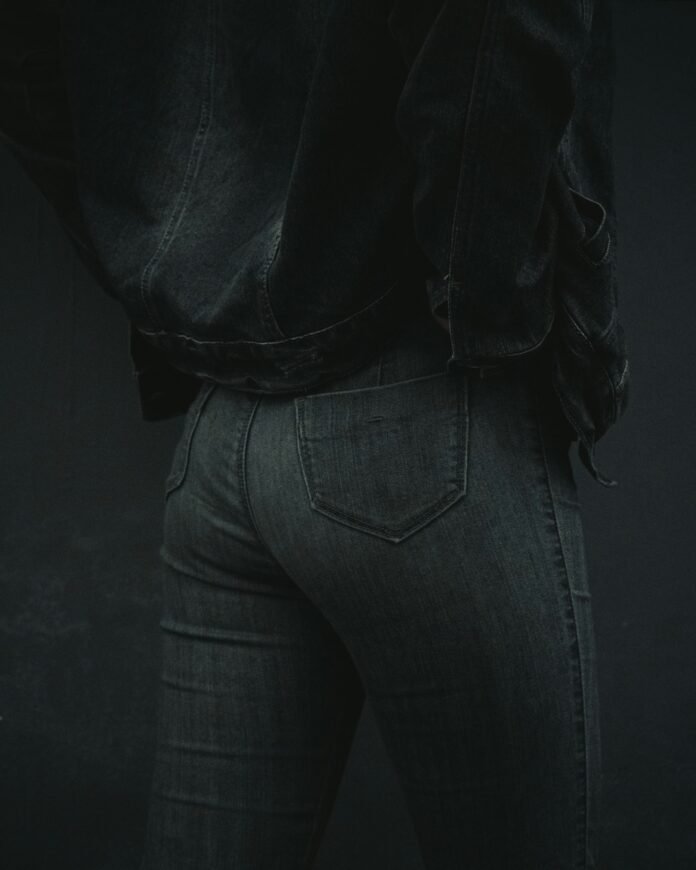
Color plays a significant role in fashion, influencing not only style but also the perception of a person’s silhouette. The psychology of color in clothing can be harnessed to enhance one’s appearance and create a visually slimming effect. Darker colors, such as black, navy, and deep shades of other hues, are particularly effective in this regard. These tones absorb light rather than reflect it, which helps to create a streamlined look. Wearing darker colors can introduce an element of elegance while simultaneously minimizing the appearance of body contours.
When aiming to look thinner, it is essential to consider not just the primary colors worn but also the combinations and contrasts you choose. For instance, wearing a monochromatic outfit in one dark shade can create a continuous line, effectively elongating the body. Alternatively, pairing darker pants with a lighter top can draw attention upwards, helping to shape a more sophisticated silhouette. This contrast can serve to visually widen the shoulders while maintaining a slender effect through the lower half of the body.
Another effective strategy is to incorporate vertical stripes or patterns whenever possible. These elements can elongate the figure and promote a lengthened appearance, as they draw the eye upwards. Additionally, strategic placement of color can help create the illusion of an hourglass shape; for example, accentuating the waist with a contrasting belt can bring focus to this area while the surrounding darker colors confer a slimming effect.
Understanding how to utilize color can empower individuals to dress with intention, enhancing not just physical appearance but also confidence. By selecting the right shades and employing thoughtful combinations, one can successfully navigate the complex relationship between fashion and body perception.
The Power of Fabrics and Textures
When it comes to achieving a flattering silhouette, the choice of fabric and texture plays a crucial role in how an outfit hangs on the body. Different materials possess unique properties that can enhance or detract from one’s appearance. For instance, structured fabrics such as cotton blends, denim, and tailored wool provide shape and support, which can create clean lines and accentuate the body’s natural curves. These firm materials often prevent garments from clinging too closely to the body, reducing unsightly bulges and promoting a sleeker look.
In contrast, soft and flowy fabrics like chiffon, jersey, and silk can drape gracefully over the frame. While these materials are often perceived as comfortable and elegant, they can also add volume if not considered carefully. It is essential to select flowy fabrics with an appropriate weight to ensure they flatter rather than overwhelm. For instance, lightweight chiffon may create an ethereal quality, but in excess, it can potentially contribute to an unstructured or frumpy appearance. Therefore, balance is key: combining soft fabrics with structured elements can help create an overall streamlined effect.
Another factor to consider is texture. Textured fabrics, such as ribbed knits or subtly patterned textiles, can add depth to an outfit and divert attention from areas one may prefer to downplay. Incorporating these distinct textures can create visual interest and help achieve a more refined appearance. However, it is advisable to not overmix patterns and textures; this can lead to a cluttered look. Instead, choosing a focal point with coordinating complementary fabrics will help create a polished ensemble. Ultimately, understanding how different fabrics and textures interact with one another will empower individuals to choose outfits strategically, resulting in a slimmer, more flattering appearance.
Essential Clothing Cuts and Styles
Understanding the impact of clothing cuts and styles on one’s silhouette is crucial for achieving a flattering look. Certain necklines can significantly influence how proportions are perceived. For instance, V-necks create an elongated appearance, drawing the eyes down and creating a streamlined effect. Conversely, round necklines can sometimes accentuate fullness, which is not ideal for those looking to appear slimmer. It is advisable to opt for deep V-necks or scooped necklines that enhance the neck and collarbone, adding to a sophisticated aesthetic.
Sleeve length plays a pivotal role in the overall appearance of an outfit. Three-quarter sleeves are particularly effective for providing coverage while also maintaining a balanced proportion. This length helps to conceal potential problem areas of the upper arms and draws attention towards the wrist, a typically slimmer part of the arm. Moreover, cap sleeves can sometimes add bulk, so they should be approached with caution if one is aiming for a more streamlined look.
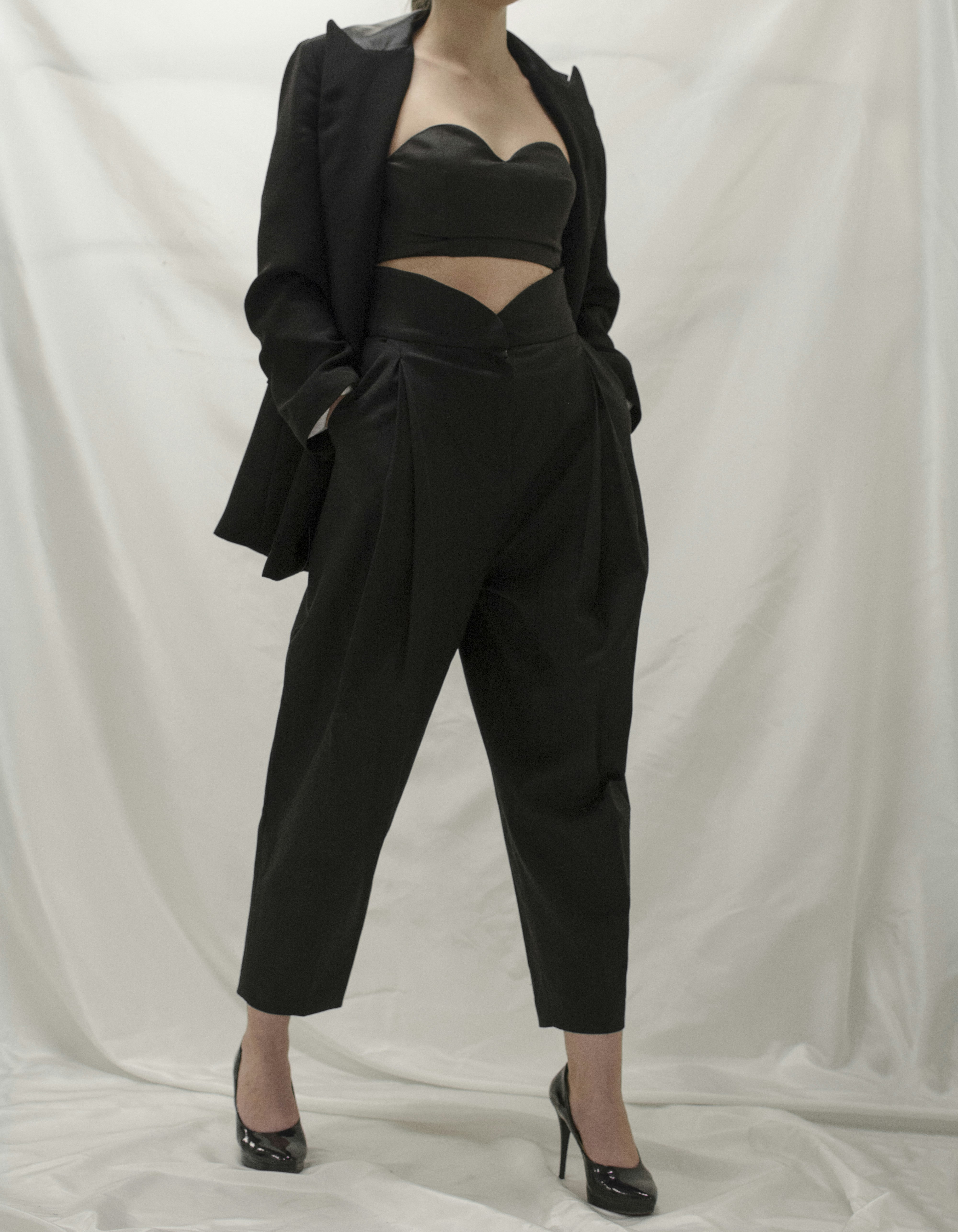
When it comes to pant styles, selecting the right cut is essential for achieving an elongated appearance. High-waisted trousers not only accentuate the waistline but also create the illusion of longer legs. Straight-leg and bootcut pants are preferable as they maintain a straight line from the hips down, thus minimizing width. On the other hand, wide-leg trousers can be flattering if paired with a fitted top, balancing proportions effectively.
The right clothing cuts and styles can elevate any wardrobe by highlighting features and minimizing less favored areas. In essence, understanding how these elements interact with one another allows individuals to make informed choices that enhance their overall appearance, fostering a sense of confidence and poise.
Accessorizing for a Slimmer Appearance
Accessorizing plays a pivotal role in shaping the overall silhouette of an outfit and can be used strategically to create a slimmer appearance. Thoughtfully chosen accessories can draw attention to desired areas, camouflage less flattering aspects, and elongate the body’s shape, ultimately enhancing one’s style while achieving a more svelte look.
One of the most effective accessories for achieving a slimming effect is the belt. A well-placed belt can accentuate the waist, creating an hourglass figure. Opting for belts in darker colors, or those that are worn just below the rib cage, can provide visual definition and narrow the midsection. Additionally, belts with subtle embellishments, like a sleek buckle, can draw the eye upward, creating the illusion of a longer torso.
Jewelry also serves as a formidable tool in accessorizing for a slimmer appearance. Long necklaces can elongate the neckline and draw the eyes downward, while statement earrings can shift focus away from the body’s width. When choosing jewelry, consider pieces that feature vertical lines or cascading elements, as these can encourage a more streamlined look. Stacking bracelets, when done thoughtfully, can also lead to a balanced and sophisticated hand appearance without adding bulk.
The choice of footwear is equally significant. Pointed-toe shoes typically elongate the legs, creating the illusion of height. Heels can enhance this effect; however, it is essential to choose styles that offer comfort alongside elegance. Furthermore, selecting shoes in darker hues or those that match the color of one’s pants can provide continuity and prevent visual breaks that might disrupt the line of the body.
Lastly, handbags play an influential role in accessorizing. Opting for medium to small-sized bags worn higher on the body can redirect focus to the upper half, enhancing the overall visual appeal. A bag with vertical lines or structured shapes can further contribute to a streamlined silhouette. Each of these accessory strategies can actively work to cultivate a fashionable and slimmer appearance with ease.
Layering Techniques for Flattering Outfits
Layering is a crucial technique in fashion that, when done correctly, can enhance one’s appearance, creating a slimmer silhouette. The art of layering revolves around the strategic combination of garments to achieve an elegant look without adding unnecessary bulk. By choosing pieces of varying lengths and proportions, one can effectively contour the body, drawing attention to the most flattering areas.
To begin with, understanding the various lengths of clothing is essential for successful layering. Opt for longer outer layers, such as cardigans or duster jackets, which can elongate the figure. Pair these with shorter tops, ensuring that the lengths complement each other harmoniously. For example, a fitted shirt tucked into high-waisted trousers can provide definition to the waist, while a long vest over the ensemble creates a streamlined effect. This balance in proportions not only enhances style but also contributes to a more elongated appearance.
Moreover, fabric choice plays a vital role in effective layering. Lightweight fabrics such as cotton or chiffon can contribute to a sleek aesthetic without adding unnecessary bulk. Avoid heavy, thick materials, as they can overwhelm the body and detract from the desired slimness. Incorporating structured pieces, like a tailored blazer or a cinched waist coat, will also enhance one’s shape, offering both style and a flattering outline.
In addition to the levels of layering, color coordination is important. Darker shades tend to have a slimming effect, while monochromatic outfits can elongate the silhouette. When layering, consider selecting pieces within the same color family, which can create a cohesive look that promotes a leaner appearance. By mastering these layering techniques, one can achieve a chic, polished look while expertly manipulating visual proportions for a trimmer effect.
Choosing the Right Footwear
Footwear plays a pivotal role in determining the overall impact of a slimming outfit. The choice of shoes can either elevate or detract from the desired effect of looking thinner. One of the most influential aspects of footwear is heel height. High heels are often associated with a more elongated silhouette; they create the illusion of longer legs, which can significantly enhance the slimming effect of an outfit. However, it is important to choose a heel height that is comfortable and makes you feel confident, as discomfort can modify posture and ultimately detract from the overall appearance.
Additionally, the design of the shoe is crucial in achieving a cohesive look. Pointed-toe shoes are especially flattering, as they guide the eye towards the tip of the shoe, creating the perception of elongated legs. Conversely, round-toed shoes may give the foot a broader appearance, which can detract from a slimming outfit. Ankle boots, while trendy, should be chosen wisely; those with a sleek design rather than bulky styles can help maintain a streamlined look.
Another essential factor is color. Shoes that are closely matched to the color of the pant or legging can create a seamless line that minimizes breaks in the outfit. Neutral colors, particularly those that blend with skin tone or clothing, offer the illusion of length, while bold colors can add a statement yet may disrupt the streamlined appearance one may aim for in a slimming outfit. In summary, selecting the right footwear involves considering heel height, shoe design, and color coordination, all of which contribute to a fashionable and flattering look that can make one appear thinner.
Conclusion: Embracing Your Personal Style
As we have explored the various slimming outfit tricks that can enhance your appearance, it is essential to remember that personal style is an invaluable aspect of fashion. Embracing your unique style allows you to express your individuality while incorporating the strategies that make you feel more confident and stylish. When it comes to fashion, the key is not just about following trends, but also about celebrating what makes you, you.
Confidence plays a pivotal role in how any outfit is perceived. When you wear clothing that you love and feel comfortable in, it radiates from within and can transform your overall demeanor. The slimming outfit tricks discussed, such as choosing the right cuts, colors, and accessories, can help you to look thinner, but it is your confidence that truly completes the look. The right outfit can enhance your natural beauty and, when paired with self-assurance, you will undoubtedly make a lasting impression.
It is essential to experiment with different styles and see which combinations work best for you. You may find that certain colors or silhouettes not only flatter your body shape but also elevate your mood and self-esteem. Remember that fashion is a personal journey, one that evolves over time, reflecting your current phase in life and your unique experiences.
Ultimately, the goal is to cultivate a wardrobe that allows you to feel empowered and graceful. By integrating the slimming outfit tricks into a personal style that resonates with you, you will find that you not only look your best but feel your best as well. This harmonious blend can create a fashion statement that is distinctly yours, showcasing your beauty and confidence to the world.