Introduction to Sustainable Fashion
Sustainable fashion is an evolving concept that encompasses the creation of apparel and accessories with a focus on minimizing environmental impact and promoting ethical practices throughout the production process. This approach seeks to address the significant environmental challenges posed by the fashion industry, which is one of the major contributors to pollution and waste in our modern society. The staggering rate at which clothing is produced and discarded has led to increased carbon emissions, water consumption, and the exploitation of resources. As a result, the awareness of sustainable fashion has grown in recent years, driven by both consumers and innovators looking for alternatives.
Understanding sustainable fashion is essential in recognizing its relevance in today’s consumer market. It is not merely about “eco-friendly” materials but encompasses a broader perspective that covers fair labor practices, responsible manufacturing processes, and the longevity of products. Consumers are increasingly seeking transparency about how their clothes are made, the source of materials utilized, and the treatment of workers involved in the process. This shift in consumer behavior underscores the importance of sustainable brands that prioritize ethical standards and environmental responsibility.
The rise of eco-conscious consumers has led to a proliferation of sustainable brands in the fashion industry. Many companies are now adopting innovative methods to reduce waste, utilize renewable resources, and promote recycling initiatives. From slow fashion movements to brands using organic fabrics or producing clothing under fair trade conditions, the industry is witnessing a transformative shift towards more sustainable practices. As this trend continues to gain momentum, it is vital to spotlight those brands making a significant impact through their commitment to sustainability and responsible production. In light of the rapid developments in the fashion sector, identifying these brands in 2025 will further help conscious consumers make informed purchasing decisions.
Criteria for Selecting Sustainable Brands
In the rapidly evolving fashion industry, sustainability is more than just a trend; it is a necessity. Evaluating the sustainability of a fashion brand involves several critical criteria that highlight its commitment to ethical and ecological practices. One of the primary factors to consider is ethical sourcing, which entails obtaining raw materials from suppliers who adhere to environmentally friendly and socially responsible practices. This ensures that the production process does not contribute to environmental degradation or exploit vulnerable communities.
Another important criterion is the use of eco-friendly materials. Sustainable brands often prioritize organic, recycled, or biodegradable materials in their collections. By opting for such materials, these brands minimize their environmental impact and showcase a responsible approach to resource management. Additionally, the choice of materials plays a crucial role in the overall lifecycle design of the product, contributing to a lower carbon footprint.
Fair labor practices are also essential in defining a sustainable brand. Transparency regarding labor conditions and a commitment to providing fair wages and safe working environments are significant indicators of a brand’s ethical stance. Brands that engage in fair trade practices often demonstrate a genuine concern for the welfare of their workforce, which is an integral aspect of sustainability.
Moreover, a brand’s efforts in reducing its carbon footprint through efficient manufacturing processes, transportation methods, and energy use is a vital consideration. Strategies like minimizing waste, reducing water usage, and implementing renewable energy sources contribute to a smaller environmental impact.
Lastly, overall transparency in the supply chain is key. Brands that are open about their sourcing, manufacturing processes, and environmental impact enable consumers to make informed purchasing decisions. This transparency not only builds trust with consumers but also encourages other brands to adopt similar sustainable practices. By combining these criteria, consumers can effectively evaluate and support brands that are truly committed to sustainability in fashion.
Top 10 Sustainable Fashion Brands of 2025
As awareness of environmental issues grows, sustainable fashion brands are becoming increasingly prominent in the fashion industry. Here are ten notable sustainable fashion brands to keep an eye on in 2025, each committed to ethical practices and eco-friendly production methods.
1. Reformation: Renowned for its stylish designs, Reformation uses sustainable materials and practices transparency in its production processes. Its goal is to provide fashionable options while minimizing the ecological footprint, making it a favorite among eco-conscious consumers.
2. Stella McCartney: A pioneer in luxury sustainable fashion, Stella McCartney is committed to using no animal products and prioritizing organic and recycled materials. The brand combines high-fashion aesthetics with an emphatic focus on environmental responsibility.
3. Allbirds: This footwear brand emphasizes comfort and sustainability, using materials like merino wool and eucalyptus fibers. Allbirds employs rigorous sustainability practices, ensuring its operations are carbon-neutral.
4. Everlane: Transparency is key at Everlane. The brand is known for its ethical production methods and commitment to fair wages. Their timeless designs are coupled with a pledge to minimize waste throughout their supply chain.
5. Eileen Fisher: This company has long been committed to sustainability and social responsibility. Eileen Fisher focuses on organic fibers, recycled materials, and clean manufacturing processes that emphasize a circular economy.
6. Patagonia: A leader in environmental activism and sustainable practices, Patagonia prioritizes responsible sourcing and long-lasting quality. Their commitment to repairing and recycling gear sets them apart in the outdoor clothing sector.
7. Toms: Known for its “One for One” model, Toms has expanded its ethical initiatives to include sustainable materials. Their shoes incorporate eco-friendly components and support various social causes.
8. Tentree: This brand plants ten trees for every item sold, contributing significantly to environmental restoration. Utilizing sustainable materials like organic cotton and recycled polyester, Tentree embodies a holistic approach to sustainable fashion.
9. Amour Vert: With a focus on eco-friendly materials, Amour Vert emphasizes local manufacturing to reduce its carbon footprint. The brand also promotes sustainable forestry through its partnership with American forests.
10. People Tree: As a pioneer in Fair Trade fashion, People Tree collaborates with artisans worldwide to create sustainable and stylish clothing. Their commitment to ethical practices sets a benchmark for other brands in the industry.
These brands not only stand out for their sustainable practices but also for their ability to adapt to evolving consumer preferences. By choosing to invest in brands with a commitment to a sustainable future, consumers can contribute positively to the environment while enjoying stylish and ethical apparel.
Innovative Materials Revolutionizing Fashion
The fashion industry is witnessing a significant transformation with the introduction of innovative materials that prioritize sustainability. Brands are increasingly adopting textiles that are not only eco-friendly but also contribute to reducing waste and pollution. One prominent example is organic cotton, a material grown without synthetic pesticides and fertilizers. This method of cultivation conserves water, promotes biodiversity, and, importantly, diminishes the environmental footprint associated with traditional cotton farming. By choosing organic cotton, consumers support agricultural practices that are less harmful to the ecosystem.
Another noteworthy material is Tencel, derived from sustainably sourced wood pulp, primarily from eucalyptus trees. The production of Tencel involves a closed-loop process that recycles water and solvents, resulting in minimal waste. This innovative fabric is also biodegradable and offers a luxurious feel, making it a popular choice among sustainable brands. Its ability to efficiently absorb moisture and reduce bacterial growth further enhances its appeal for everyday wear.
Additionally, recycled polyester is gaining traction among environmentally conscious fashion labels. Made from post-consumer plastic bottles and other waste, recycled polyester significantly reduces reliance on virgin petroleum materials, thereby lowering greenhouse gas emissions. This material not only diverts plastic waste from landfills but also requires fewer resources to produce compared to new polyester fabrics. The versatility and durability of recycled polyester have made it suitable for a wide range of clothing and accessories.
As sustainable brands continue to innovate, more alternative materials such as hemp, Piñatex (made from pineapple leaves), and bio-based nylons are emerging. Each of these materials offers unique benefits, contributing to a more sustainable fashion industry. Organizations are actively pushing the boundaries of textile development to create environmentally responsible choices that appeal to consumers seeking sustainable options in their wardrobe.
Impact of Sustainable Fashion on Local Communities
The movement toward sustainable fashion extends beyond environmental considerations, significantly impacting local communities through social responsibility and ethical practices. Sustainable fashion brands often emphasize fair trade, which promotes equitable wages and safe working conditions for artisans and garment workers. This commitment fosters economic development by ensuring that profits are fairly distributed, enabling individuals and their families to improve their living conditions and community infrastructure.
Furthermore, many sustainable fashion brands actively engage local artisans in their production processes, which helps preserve traditional crafts and skills that might otherwise vanish in a rapidly industrializing world. By incorporating local craftsmanship, these brands not only support local economies but also celebrate cultural heritage. This collaboration empowers artisans and their communities while producing unique, high-quality goods that resonate with consumers seeking authenticity in their purchases.
Another essential aspect of sustainable fashion is its focus on community empowerment. Brands that prioritize social responsibility often invest in skills training and education programs for local communities. These initiatives equip individuals with the abilities necessary to thrive in the fashion industry, fostering self-sufficiency and encouraging entrepreneurship. As a result, there is an overall upliftment within these communities, allowing them to gain financial independence and influence their working conditions.
Importantly, sustainable fashion promotes transparency, which establishes consumer trust. Brands that actively share their ethical practices provide consumers with the knowledge that their purchases support a fairer, more equitable system. By choosing sustainable brands, consumers play a vital role in uplifting local communities, supporting ethical labor practices, and championing fair trade principles. Through these efforts, the sustainable fashion movement not only seeks to redefine the industry but also aims to enhance the lives of those involved in the crafting of its products.
Consumer Trends Shaping Sustainable Fashion in 2025
As the fashion industry evolves, the drive towards sustainability has gained significant momentum, heavily influenced by emerging consumer trends. One of the most notable trends is the increasing interest in transparency. Modern consumers are more informed and discerning than ever, often opting to support brands that provide clear information about their supply chain processes. This demand for accountability extends to the sourcing of materials, labor practices, and environmental impact. By prioritizing transparent business practices, brands can build trust and loyalty among environmentally conscious consumers.
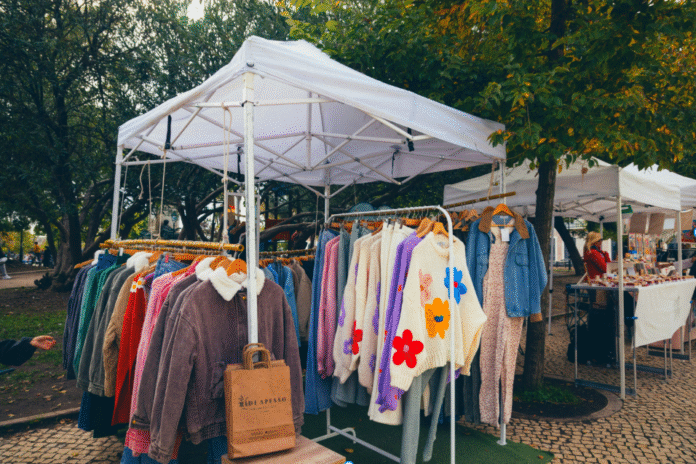
Another key trend contributing to the sustainable fashion movement is the rise of second-hand shopping. With a growing awareness of the detrimental effects of fast fashion, many consumers are seeking pre-owned apparel as a more environmentally responsible option. Thrifting and shopping at vintage stores not only reduce waste but also promote a unique style that diverges from mass-produced garments. The proliferation of online platforms dedicated to second-hand sales has further facilitated this shift, allowing consumers to engage with sustainable fashion more conveniently.
Lastly, rental and subscription services have emerged as popular alternatives to traditional shopping models. These services enable consumers to enjoy a rotating wardrobe without the commitment of ownership, thereby reducing the overall demand for new clothing production. By opting for rentals, individuals can access high-quality, stylish pieces while minimizing their ecological footprint. This trend aligns seamlessly with the values of sustainability and conscientious consumption, catering to a demographic that increasingly values experiences over possessions.
Ultimately, the interplay of these consumer trends is reshaping the fashion landscape. From a heightened focus on transparency to the popularity of second-hand and rental options, consumers are actively influencing the evolution of sustainable fashion in 2025. As these trends continue to gain traction, brands that align their practices with these values are likely to find success in a competitive and rapidly changing market.
Challenges Facing Sustainable Fashion Brands
The sustainable fashion sector is increasingly under pressure as it attempts to carve a niche in a competitive market dominated by fast fashion. One of the most pressing challenges is pricing. Sustainable fashion brands often incur higher costs due to ethical sourcing, environmentally friendly materials, and fair labor practices. This results in a retail price point that can be significantly higher than traditional fast fashion options, creating a barrier for many consumers who prioritize cost over sustainability. Consequently, sustainable brands may struggle to attract a broader audience when price sensitivity is a primary concern.
Furthermore, sustainable fashion brands face intense competition from fast fashion retailers that can produce garments quickly and inexpensively. These fast fashion brands capitalize on the latest trends, offering consumers an ever-refreshing collection at prices that are hard to resist. The ability of fast fashion companies to rapidly adapt to trends creates a significant hurdle for sustainable brands, which may prioritize longevity and quality over volume and speed. As a result, sustainable brands must develop strategic marketing approaches to highlight the value and benefits of investing in sustainability, which can complicate their position in the marketplace.
Additionally, misconceptions about sustainability hinder the growth of the sustainable fashion sector. Many consumers are often unclear about what constitutes a sustainable product, leading to skepticism regarding claims made by companies. This confusion can result from marketing jargon or greenwashing, where brands exaggerate their sustainable practices without substantial backing. It is imperative for sustainable fashion brands to educate consumers about what makes a product sustainable, thus fostering trust and encouraging ethical consumer behavior. By addressing these challenges, sustainable fashion brands can enhance their market presence and contribute to a more responsible fashion industry.
How to Support Sustainable Brands
Supporting sustainable brands is an essential step in promoting eco-friendly practices within the fashion industry. As consumers, our choices significantly influence the market dynamics, compelling brands to adopt more responsible practices. By shopping consciously, we can ensure that our purchasing power uplifts brands dedicated to sustainability.
One effective strategy for consumers is to thoroughly research brands before making a purchase. Look for information regarding their manufacturing processes, sourcing of materials, and overall commitment to environmental and social responsibility. Websites, reviews, and third-party certifications can serve as reliable resources for verifying a brand’s sustainability claims. Additionally, opt for quality over quantity by investing in timeless pieces rather than fast fashion items, which often contribute to environmental degradation.
Another way to support sustainable brands is to spread awareness within your social circle. Share information about favorite sustainable brands on social media platforms, emphasizing their mission and achievements. By raising awareness about these brands, you encourage others to consider their purchasing decisions and join your sustainable fashion journey. Create content that showcases products from these brands or share insightful articles that underline the importance of eco-conscious shopping.
Participating in clothing swaps is another practical approach to promoting sustainability. Organizing local events allows individuals to exchange clothing and breathe new life into pre-loved items, reducing waste and the demand for new products. Furthermore, engaging with sustainable brands on social media—by liking, sharing, or commenting on their posts—fosters a community around eco-conscious practices and strengthens the brand’s visibility.
In conclusion, supporting sustainable brands requires a combination of informed purchasing, community engagement, and proactive awareness. By implementing these strategies, consumers can play a vital role in advancing sustainability within the fashion industry, encouraging brands to prioritize eco-friendly practices for the future.
The Future of Sustainable Fashion
The sustainable fashion industry is poised for significant transformation over the next decade, driven by innovative practices, technological advancements, and an evolving consumer mindset. As awareness about environmental issues continues to rise, it is increasingly clear that brands must adopt sustainable practices not only as a market differentiator but as a necessity for survival. Predictions for the future point toward a more circular economy in fashion, where products are designed with their entire lifecycle in mind, from production to reuse and ultimately recycling.
Technological advancements will play a crucial role in this transition towards sustainability. Emerging technologies, such as artificial intelligence and blockchain, are expected to enhance transparency in the supply chain, allowing consumers to trace the origins of their garments. This traceability fosters an environment where ethical sourcing and fair labor standards can be verified, ultimately encouraging responsible manufacturing practices among brands. Furthermore, sustainable materials such as organic cotton, Tencel, and innovations like lab-grown fabrics are anticipated to become the norm, significantly reducing the environmental impact of production processes.
Equally important is the role of consumers in shaping the future of sustainable fashion. As eco-consciousness grows among shoppers, purchasing decisions are increasingly influenced by a brand’s commitment to sustainability. A strong demand for transparency encourages brands to adopt better practices in response. The potential for consumer activism adds another dimension, as individuals continue to advocate for sustainable policies and ethical practices within the fashion industry. This collaborative effort between consumers and brands will be pivotal in driving systemic change, ensuring that sustainability is not just a trend, but a foundational principle within the industry.
Looking forward, the future of sustainable fashion is marked by optimism, innovation, and an inherent commitment to fostering an industry that respects both people and the planet. By embracing sustainable practices and encouraging active consumer participation, the fashion landscape is on the path to a transformative shift that will benefit future generations.